Federal lawmaker Dennis Nnamdi Agbo has described President Bola Ahmed Tinubu’s fuel subsidy removal as one of Nigeria’s most patriotic presidential decisions. However, he criticised the poor delivery of social interventions meant to protect vulnerable Nigerians from the reform’s economic impact.
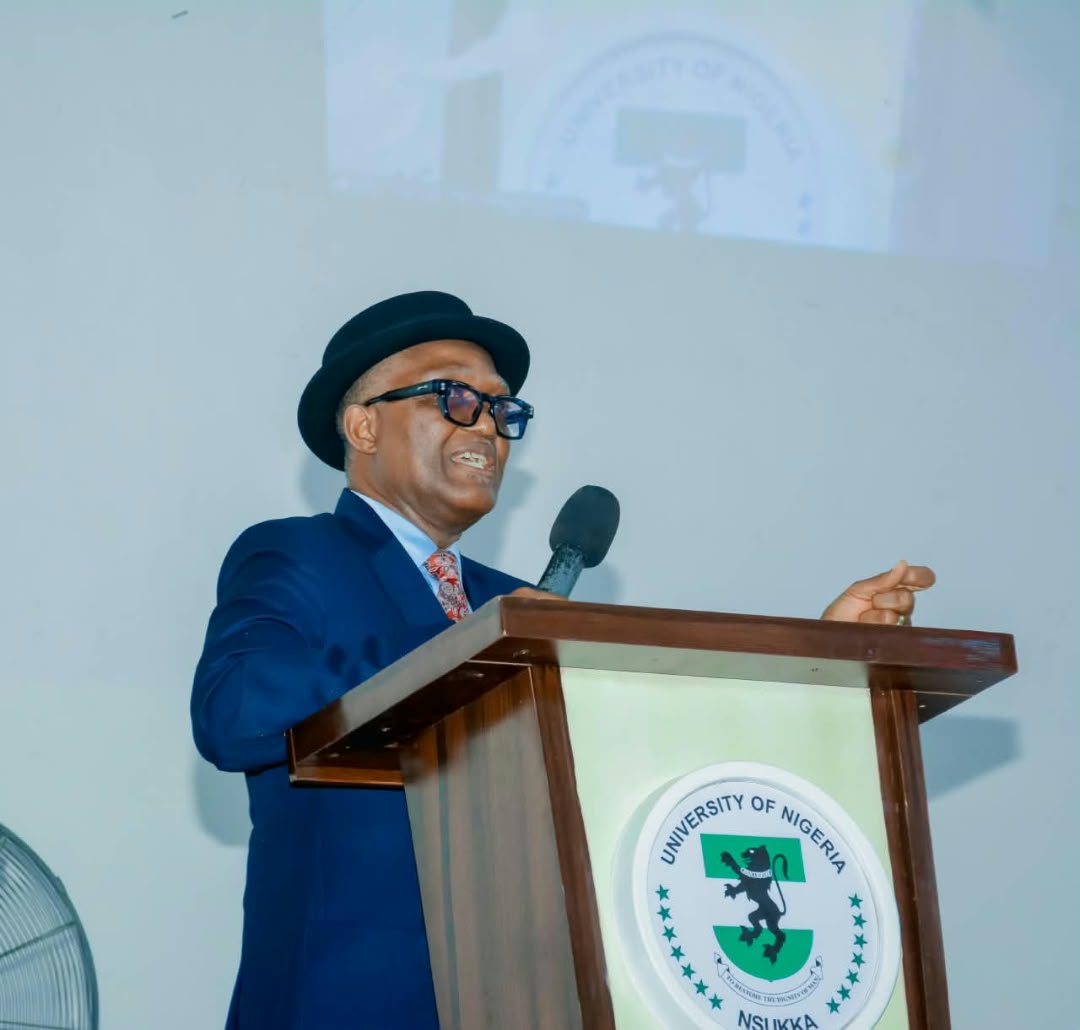
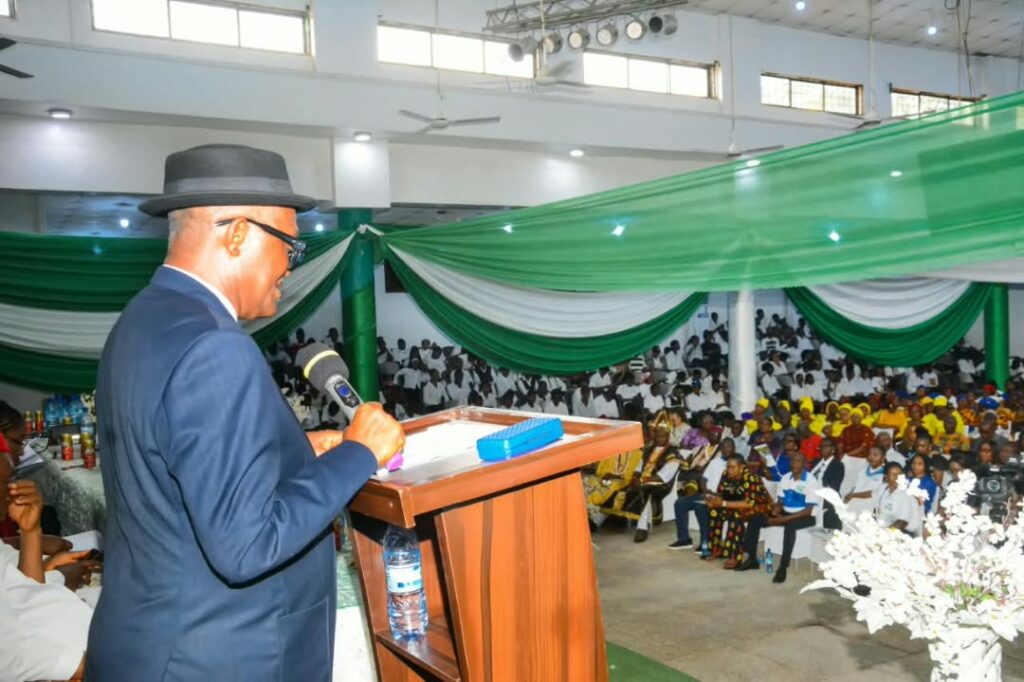
Agbo, who represents Igbo-Eze North/Udenu Federal Constituency, spoke during a public lecture at the University of Nigeria, Nsukka, on October 14, 2026. His lecture, titled “Three Years of Post-Subsidy Removal: Evaluating the Socio-Economic Effects of Nigeria’s Deregulated Downstream Sector,” examined the reform’s achievements and challenges.
The lawmaker defended the decision to end fuel subsidies but argued that government relief programmes had failed to reach many people who needed support. He called for stronger institutions to ensure that economic reforms deliver meaningful benefits to ordinary Nigerians.
The debate comes amid wider discussions about Nigeria’s economy and public finances. Readers can also explore RMAFC’s Efforts to Attract Chinese Investment.
Agbo Says Tinubu’s Fuel Subsidy Removal Disrupted the Old System
Agbo recalled Tinubu’s announcement on May 29, 2023, during his inauguration as president. According to the lawmaker, the declaration came unexpectedly and caught key interests in the fuel subsidy system off guard.
“The clause of declaration was not part of the speech,” Agbo said. He added that even the president’s confidential secretary and other staff members had no prior knowledge of the announcement.
The lawmaker argued that the decision weakened the influence of powerful interests surrounding the subsidy regime. He also said the removal helped reduce fuel smuggling and exposed inconsistencies in previous petrol consumption figures.
Agbo cited a decline in reported daily consumption from about 60 million litres to approximately 40 million litres. He also credited the policy with creating more opportunities for private refining.
For related coverage on Nigeria’s energy sector, read “NNPC Launches First Smart Self-Service Filling Station in Abuja”.
Agbo described the reform as a turning point for Nigeria’s economy. He maintained that the country had begun moving away from a system that placed significant pressure on public finances.
Fuel Subsidy Removal Increases Government Revenue
The lawmaker said subsidy removal saves the government about ₦700 billion monthly. He added that exchange-rate unification generates another ₦600 billion, bringing the combined monthly fiscal gains to approximately ₦1.3 trillion.
According to figures presented during the lecture, the additional revenue has increased the resources available to the federal, state and local governments. Agbo argued that these funds could support infrastructure, public services and other development priorities.
He cited World Bank figures showing real GDP growth rising from 3.5 per cent in 2024 to 3.9 per cent in 2025. He also reported growth of 4.2 per cent during the first half of 2026.
Agbo said federation revenues increased by 69 per cent in real terms between 2023 and 2025. He further claimed that capital expenditure accounted for about 70 per cent of the federal budget for three consecutive years, compared with earlier levels of 25 to 30 per cent.
The lecture linked these fiscal gains to projects such as the Coastal Road, major highways and the national gas grid. For another report on energy development, read “Adebayo’s Solar Power Promise for Nigerian Households”.
Agbo Highlights Enugu State’s Revenue Growth
Agbo also pointed to improvements in state government finances following the removal of fuel subsidies. He said several states had cleared salary and pension arrears while launching new capital projects.
He singled out Enugu State as an example of the changes. According to the lawmaker, the state’s budget increased from ₦167 billion in 2023 to ₦1.617 trillion in 2026.
He also cited a rise of more than 1,000 per cent in internally generated revenue. Agbo added that capital expenditure consistently exceeded 80 per cent of the state budget.
Enugu’s development plans have attracted attention in other reports. Read about “Peter Mbah’s Reported Development Achievements”.
The state has also pursued broader economic ambitions involving infrastructure and security. Related coverage includes “NACCIMA’s Support for Enugu’s $30 Billion Economic Ambition”.
However, increased government revenue does not automatically translate into improved living conditions. Agbo argued that authorities must ensure public resources support projects and services that address residents’ needs.
Lawmaker Acknowledges the Human Cost of Fuel Subsidy Removal
Despite defending the policy, Agbo acknowledged the hardship many Nigerians have experienced since its introduction. Petrol prices more than doubled during the first month after the announcement, according to his lecture.
Transport fares, food prices and generator expenses also increased. Low-income households and small businesses faced particularly difficult conditions as their spending needs rose.
Agbo cautioned against interpreting slower inflation as evidence that prices had returned to previous levels. He said many households still struggle because their incomes have not kept pace with rising living costs.
The lawmaker’s comments highlight the difference between improving economic indicators and improving household welfare. He argued that the government must address this gap through better-targeted social protection.
Rising fuel costs have also affected transport and energy discussions nationwide. Readers can follow “Petrol Price Increases in Abuja After Dangote Raises Gantry Rate”.
Agbo Criticises Delivery of NG-CARES Palliatives
Agbo reserved strong criticism for the implementation of the Nigeria COVID-19 Action Recovery and Economic Stimulus programme, known as NG-CARES. The World Bank-supported initiative provides assistance through areas such as cash transfers, public works, agricultural support and grants for small businesses.
He said governments had released hundreds of billions of naira to support the programme. Yet, many vulnerable Nigerians continued to complain about neglect and inadequate assistance.
Agbo blamed poor delivery partly on what he described as low enthusiasm among states. He also pointed to misunderstandings about the programme’s funding structure as a factor affecting support for low-income groups.
The lawmaker said the House Committee on NG-CARES had opened a full investigation under its constitutional oversight powers. The inquiry is expected to examine how the programme operates and whether assistance reaches its intended beneficiaries.
The concerns raise wider questions about accountability and community-level programme delivery. For related coverage, read “CSDA’s Community Sensitisation and Participatory Rural Appraisal Exercise Across Six Enugu Communities” (https://torchtvnews.com/csda-takes-community-sensitisation-pra-exercise-to-six-enugu-communities/).
Bill Seeks Permanent NG-CARES Commission
To address the shortcomings, Agbo announced plans to introduce a bill establishing a permanent NG-CARES Commission. The proposed body would provide a more structured approach to managing social protection programmes.
Under the proposal, funding would come directly from a percentage of the savings generated by economic reforms. Agbo said the allocation would not exceed 10 per cent of the relevant funds charged to the Federation’s Consolidated Revenue Fund.
He argued that the arrangement would reduce dependence on state governments for financing. It would also seek to create a more predictable funding system for programmes supporting vulnerable Nigerians.
The proposal reflects the lawmaker’s position that temporary relief measures cannot adequately address long-term economic hardship. He called for permanent institutions that can manage social interventions more consistently.
The bill remains a proposal announced during the lecture. Its eventual impact will depend on legislative consideration, the final funding framework and how the commission operates if established.
For another report on government employment opportunities, read “FCC Commissioner Says Federal Jobs Should Be Accessible Without Connections”.
Agbo Lists Other Federal Relief Measures
Agbo also identified other federal government initiatives intended to ease pressure on households. These include the increase in the national minimum wage to ₦70,000 and the Nigerian Education Loan Fund, known as NELFUND.
He also mentioned CREDICORP’s consumer credit programme and the government’s drive to promote compressed natural gas adoption. According to Agbo, CNG adoption helped reduce bus fares on the Nsukka route in Enugu State from ₦3,500 to ₦1,500.
The lawmaker further cited increased solar adoption and the HOPE programmes supported by the World Bank. These programmes cover areas including health, education and governance.
Such initiatives aim to address different aspects of the economic pressure facing Nigerians. However, their overall effectiveness depends on accessibility, implementation and whether intended beneficiaries receive adequate support.
The government’s wider energy policy has also featured in recent reports. Read about “NNPC’s Smart Self-Service Filling Station in Abuja”.
International Examples Inform Call for Lasting Social Protection
Agbo drew lessons from social protection programmes in India, China and Brazil. He cited India’s Direct Benefit Transfer system and employment guarantee scheme, China’s poverty reduction approach and Brazil’s Bolsa Família programme.
He argued that Nigeria should develop stronger institutions rather than depend mainly on occasional cash distributions. In his view, lasting economic reform requires social protection systems that operate consistently.
“Permanent reform requires permanent institutions of social protection,” Agbo said. He added that a country cannot build a lasting social contract through occasional distributions alone.
The lawmaker’s argument places social protection at the centre of Nigeria’s post-subsidy economic transition. He maintained that authorities must pair fiscal reforms with measures that protect vulnerable households.
Enugu State’s broader development agenda also features infrastructure and economic transformation. For further context, read “Enugu Government’s Efforts to Sustain Development Gains”.
Agbo Insists Nigeria Will Not Return to Fuel Subsidy
Agbo concluded his lecture by reaffirming his support for the removal of fuel subsidies. He described the past three years as a period of sacrifice, resistance from vested interests and progress in public finances.
“Subsidy is gone, and gone for good!” he declared. He maintained that Nigeria should continue with the reform while improving the systems designed to protect vulnerable citizens.
The lecture brought together debates about government revenue, economic growth, household hardship and social intervention. Agbo’s remarks also placed pressure on public institutions to improve the delivery of relief programmes.
The proposed NG-CARES Commission could become part of that debate if the bill proceeds through the legislative process. Meanwhile, many households continue to face high living costs despite the fiscal gains described in the lecture.
The central challenge remains ensuring that economic reforms produce benefits that Nigerians can feel in their daily lives. Agbo argued that lasting progress requires both sound public finances and reliable support for people most affected by economic change.