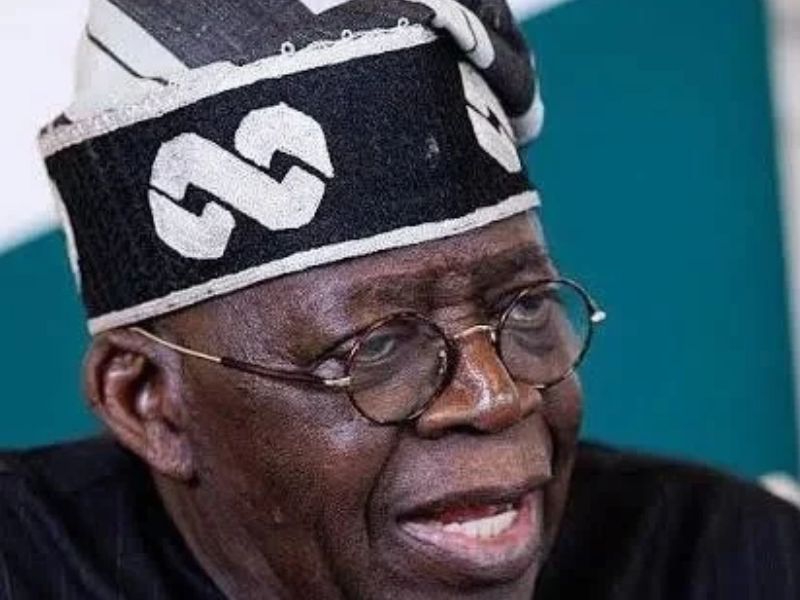
President Bola Ahmed Tinubu has nominated four national commissioners and two Resident Electoral Commissioners (RECs) for the Independent National Electoral Commission (INEC). The nominations will fill vacancies arising from the expiration of existing tenures.
The President has also reappointed Dr Bala Bila as the national commissioner representing the North-East. The Senate will screen all the nominees before their confirmation. The appointments come as political activities continue ahead of Nigeria’s next general elections, with developments such as the 2027 election promises made by Omoyele Sowore attracting public attention.
Tinubu Nominates Four INEC National Commissioners
Among the new national commissioners, Professor Mustapha Aliu will represent the North-West. He is expected to replace Professor Abdullahi Zuru, whose tenure has ended.
Bashir Muhammed Umar has also been nominated as the new national commissioner representing the North-Central. He will replace Professor Muhammad Adamu.
For the South-West, Tinubu nominated Mrs Oluwatoyin Babalola, the current Resident Electoral Commissioner in Osun State. She will replace Professor Cornelius Ajayi, whose tenure expires on October 24, 2026.
The President’s reappointment of Dr Bala Bila will retain his representation of the North-East at the commission. The nominations will now proceed to the Senate for scrutiny and confirmation.
The changes come as Nigeria prepares for another electoral cycle. Recent political developments, including the peace accord signed by seven political parties ahead of Enugu’s local government elections, have highlighted the importance of electoral preparations and peaceful political participation.
Two New Resident Electoral Commissioners Nominated
Tinubu has also nominated two individuals to serve as Resident Electoral Commissioners. The appointments cover Ekiti and Jigawa states.
Retired permanent secretary Dr Samuel Akinjide Akinleye has been nominated as the new REC for Ekiti State. Zahradden Basiru Sanusi, from Jigawa State, will replace Professor Saidu Ahmed Babura.
The nominees will be responsible for carrying out INEC’s responsibilities at the state level, subject to confirmation and appointment. The Presidency did not provide further details about their proposed assumption of office in the announcement.
INEC’s work at the state level remains important to preparations for elections, voter participation and the administration of electoral activities. In Enugu, authorities previously assured residents of a peaceful process ahead of the polls, as reported in the security agencies’ assurance ahead of the local government election.
President Seeks Swift Senate Confirmation
The President has urged the Senate to expedite the confirmation process. According to the announcement, the request reflects the need to prepare for the forthcoming general elections in January 2027.
The Senate’s scrutiny will determine whether the nominees meet the requirements for their proposed positions. However, the Presidency’s statement did not provide a date for the confirmation hearings.
The nominations also come amid continuing political activity across the country. In Enugu State, the APC secured all chairmanship and councillorship seats in the local government election, while political parties and candidates continue to position themselves for future contests.
Other election-related developments have included warnings over campaign materials. The Enugu State Signage and Advertisement Agency’s warning over its poster ban highlighted restrictions that political actors must consider during campaigns.
INEC Appointments Come Amid Political Preparations
The commission plays a central role in organising federal and state elections in Nigeria. Its responsibilities include administering elections and overseeing key aspects of the electoral process.
The new appointments will add to the commission’s leadership structure once the relevant confirmation and appointment procedures are completed. The President’s request for a speedy process underscores the importance of filling the vacancies ahead of the next general elections.
Electoral activities have also generated debate in other parts of the country. Reports such as the tension surrounding Peter Obi’s convoy in Benue and Peter Obi’s visit to attack victims in Plateau State reflect the broader political environment surrounding public engagements.
Meanwhile, electoral administration remains connected to wider discussions about political leadership and governance. The Federal Government’s position on access to jobs without political connections is another example of public debate over fairness and access to opportunities.
Other recent political stories include stakeholders backing the APC in Ohuani Idodo and Oruku and wards declaring support for the APC ahead of the Enugu local government election.
The wider political landscape also includes discussions about development and governance. These include NACCIMA’s support for Enugu’s economic ambitions and the Enugu government’s efforts to sustain development gains.
As the Senate considers the nominees, attention will remain on the confirmation process and the commission’s preparations for the next electoral cycle. The Presidency’s announcement was signed by Bayo Onanuga, Special Adviser to the President on Information and Strategy, on October 16, 2026.