
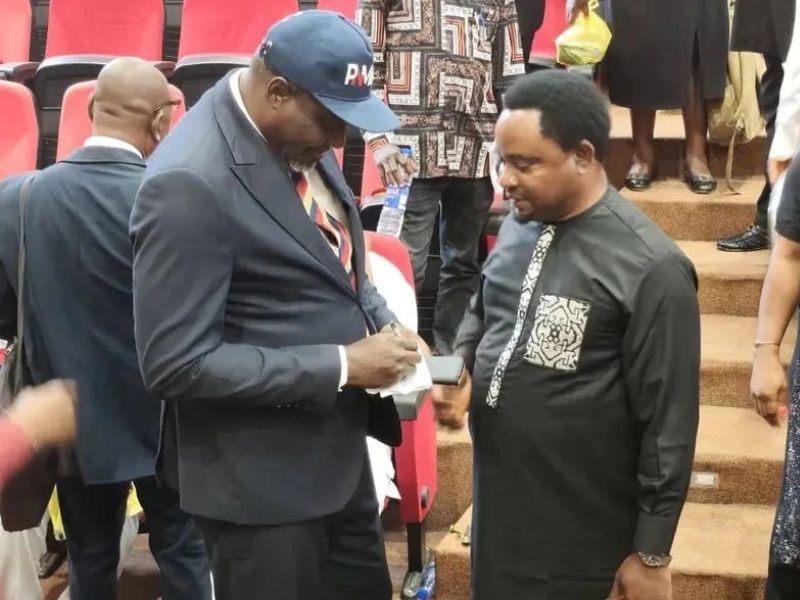
Oji River Local Government Chairman Greg Anyaegbudike has described Governor Peter Mbah’s technology-driven education programme as a powerful tool for reducing poverty across Enugu State.
Anyaegbudike made the remarks during a colloquium organised by the Institute for Development Studies (IDS), University of Nigeria, Enugu Campus. The event, held ahead of the International Day for the Eradication of Poverty, focused on the theme, “Reimagining Local Governance for Poverty Reduction.”
The council chairman, who served as a panellist, praised Mbah’s investment in Smart Green Schools across the state’s 260 electoral wards. He said the initiative could equip children with the knowledge and practical skills needed to overcome poverty.
His position aligns with the governor’s wider education agenda, which recently featured in the unveiling of the Enugu State Education Policy.
Anyaegbudike Praises Smart Green Schools Initiative

Anyaegbudike described education as one of the most effective ways to break the cycle of poverty. He said the Smart Green Schools would expose pupils to technology, innovation and skills relevant to the modern economy.
“These 21st-century schools will prepare children for the world they will live and work in,” he said.
The chairman disclosed that Oji River currently has 20 Smart Green Schools across 20 political wards. He thanked Mbah for extending the initiative to children in the local government area.
The programme forms part of the state’s broader investment in learning facilities and digital education. More than 30,000 teachers recently endorsed the governor’s education reforms, according to a report on the teachers’ endorsement of Mbah and Tinubu.
The state has also explored international partnerships to strengthen its education and technical training systems. Its discussions with Germany included possible support for Smart Schools, technical education and technology investment.
Oji River Awards Scholarships to 122 Students
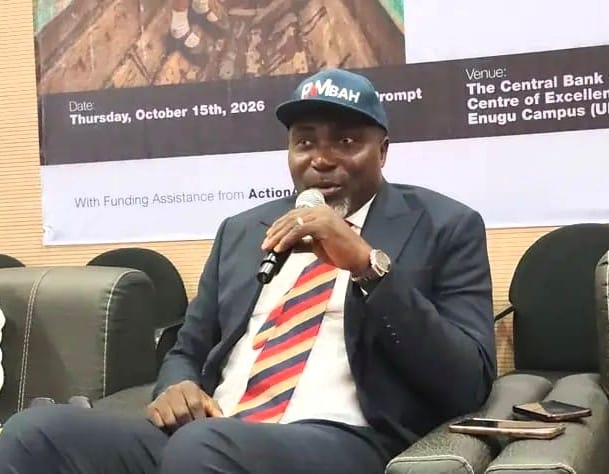
Beyond the state government’s education projects, Anyaegbudike said his administration had introduced programmes to expand access to education.
He disclosed that the council awarded scholarships to 49 indigenes studying at the Enugu State College of Health Technology, Oji River. Another 73 students at the Federal Cooperative College, Oji River, also received support.
The two groups bring the total number of scholarship beneficiaries to 122. According to the chairman, preparations for the second edition of the scholarship programme are already underway.
He said education remains central to efforts to prevent present and future generations from falling into poverty. The council’s approach complements the state’s wider commitment to strengthening human capital and sustaining development gains across Enugu.
Anyaegbudike added that his administration would continue investing in education and skills development during its second term. He said these efforts would help residents improve their livelihoods and pursue sustainable opportunities.
Women Receive Monthly Business Grants
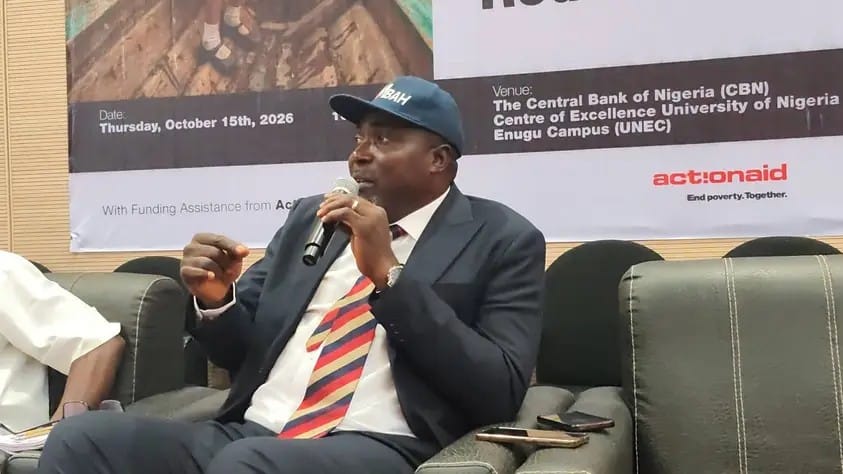
The chairman also highlighted the council’s support for women-led businesses. He said the administration provides a monthly grant of ₦100,000 to each of 20 women selected across the electoral wards.
According to him, more than 500 women have benefited from the programme so far. The initiative aims to strengthen small businesses and expand income opportunities at the grassroots.
Anyaegbudike said the council would continue promoting enterprise and human capital development. He explained that education, vocational skills and business support could help families build more secure livelihoods.
These priorities complement the state’s wider development plans, including efforts to create jobs and expand economic opportunities. Governor Mbah has urged the South East Development Commission to support industrialisation and enterprise growth.
The state has also promoted community participation in local development. For example, the Community and Social Development Agency has engaged six Enugu communities to identify local priorities and support development planning.
Chairman Pledges More Investment in Human Capital
Anyaegbudike reaffirmed his commitment to inclusive growth across Oji River. He said his second term would prioritise education, skills acquisition and enterprise development.
He also stressed that local government programmes should complement state policies to achieve lasting results. His administration, he said, would continue creating opportunities for residents to improve their economic circumstances.
Anyaegbudike’s remarks come amid wider discussions about the role of local governments in poverty reduction. Recent developments in Oji River have also included the reappointment of Ethel Obiajulu as council secretary.
The chairman has also called for stronger cooperation between the executive and legislative arms of the council. He believes effective collaboration can improve service delivery, as reported in the story on executive-legislative cooperation in Oji River.
At the state level, Mbah has continued to present education and infrastructure as central parts of his development agenda. During a meeting with editors, he highlighted investments in classrooms, schools and other public facilities, as detailed in the report on his address to the Nigerian Guild of Editors.
The administration has also linked its economic ambitions to improved security and investment. The NACCIMA endorsement of Enugu’s economic ambition highlighted the relationship between stability, enterprise and economic growth.
Other state initiatives have focused on agriculture and rural livelihoods. These include the South-East agro-development programme involving Mbah and SEDC and the planned 50,000-hectare agro-mechanisation project in Enugu.
The government has also emphasised opportunities for young people to build careers and livelihoods at home. Mbah previously urged Nigeria to make migration a choice rather than an escape, as explained in the report on his call to make “Japa” a choice, not an escape.
Meanwhile, the state continues to pursue social development programmes, including efforts to improve child nutrition through its partnership with UNICEF. The initiative is covered in the report on how Enugu and UNICEF are intensifying the fight against malnutrition.
Anyaegbudike commended the Institute for Development Studies for organising the colloquium and selecting a theme relevant to grassroots development. Dr Joe Abah, Country Director of DAI Global, delivered the lead paper.
The discussions examined how local governance can contribute to poverty reduction and inclusive development. They also highlighted the need for sustained investment in education, skills and enterprise to improve livelihoods.