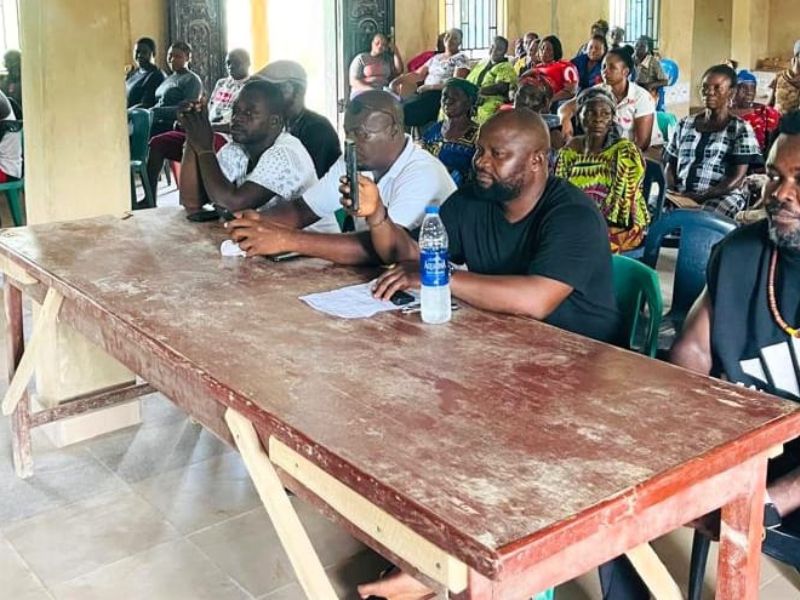
The Enugu State Community and Social Development Agency (CSDA) has taken its community sensitisation and Participatory Rural Appraisal (PRA) exercise to six communities in Nkanu West Local Government Area.
The exercise is part of efforts to identify local development priorities and support community-based projects under the Nigeria Community Action for Resilience and Economic Stimulus (NG-CARES) programme.
The communities involved are Enuagu Amurri, Umueze Awkunanaw, Omuoha Obuoffia, Enuagu Akpugo, Eziokwe Amurri and another Umueze Awkunanaw community.
The CSDA said the engagement would give residents an opportunity to identify their most pressing needs and participate directly in deciding community interventions.
The exercise also includes livelihood support for beneficiaries operating micro businesses.
The initiative is part of the state government’s broader focus on grassroots development. Igbo-Eze South chairman recently praised Mbah’s grassroots development through CSDA.
CSDA Explains Purpose of Community Engagement
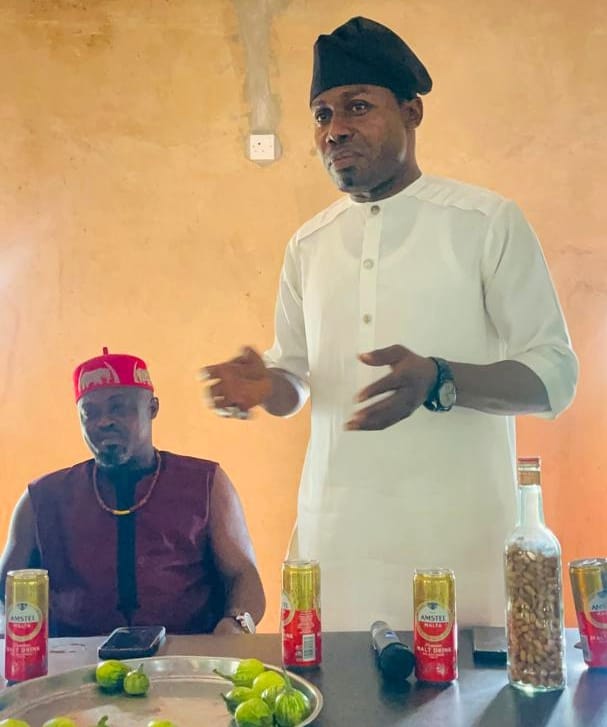
Speaking at Omuoha Obuoffia on Friday, CSDA General Manager and Chief Executive Officer, Hon. Monday Diamond Ani, explained the purpose of the exercise.
Ani said the sensitisation programme would help the agency document beneficiary communities. He added that it would encourage residents to take an active role in identifying and prioritising their development needs.
According to him, community participation remains important to ensuring that intervention projects address actual needs. He said the programme would also provide livelihood support for people running micro businesses.
The support is expected to help beneficiaries strengthen their businesses and improve their sources of income.
Ani said Governor Peter Mbah had demonstrated a deliberate commitment to developing rural communities across the state. He added that the administration wanted to provide prompt interventions based on the needs identified by residents. The CSDA boss said the interventions would be implemented under the second phase of the NG-CARES programme.
Communities Identify Development Priorities

During the exercise, CSDA officials interacted with residents across the six communities.
The discussions focused on the challenges facing the communities and the projects residents consider most important.
The Participatory Rural Appraisal process allows community members to contribute directly to identifying their priorities.
It also gives residents an opportunity to discuss the challenges affecting their livelihoods and access to basic services.
The approach places community members at the centre of the planning process.
It can also help ensure that projects are based on locally identified needs rather than decisions made without community input.
The CSDA team used the engagements to discuss community development activities with residents.
The exercise also paved the way for the formation and strengthening of community development structures.
This approach is consistent with the state’s broader emphasis on grassroots interventions. Enugu’s government has highlighted more than 10,000 achievements across different sectors.
CPMC Members Charged With Accountability

Ani also charged members of the Community Project Management Committees (CPMCs) to remain transparent and accountable.
He urged them to take their responsibilities seriously and protect the interests of the communities they represent.
According to him, community development requires people who are committed to serving others.
He said CPMC members must consider the needs of vulnerable residents when carrying out their responsibilities.
Ani stressed that the success of community projects depends partly on the commitment of those entrusted with managing them.
He therefore urged the committee members to remain focused on the objectives of the interventions.
The committees are expected to provide a link between the communities and the agency during project implementation.
Their responsibilities also include supporting community participation and helping to ensure that agreed projects receive proper attention.
The exercise therefore goes beyond identifying projects.
It also seeks to establish structures that can support implementation and community ownership.
Former Lawmaker Commends CSDA’s Partnership
At Omuoha Obuoffia, former House of Representatives member, Hon. USA Igwesi, received the CSDA delegation alongside the traditional ruler, Igwe Obiora Igwesi.
Igwesi said the community had maintained a cooperative relationship with the agency over the years.
He noted that CSDA interventions in the community were not a recent development.
According to him, the agency had previously worked with the community on development initiatives.
He welcomed the latest engagement and the opportunity for residents to participate in identifying their priorities.
The former lawmaker’s remarks highlighted the importance of continuity in community-based development programmes.
Sustained engagement between communities and development agencies can also help residents understand available intervention opportunities.
Traditional Ruler Welcomes CSDA Team
At Enuagu Amurri, the CSDA delegation was received by the traditional ruler, Igwe Charles Nwoye.
Nwoye acknowledged the agency’s community-driven approach to rural development.
He also appreciated the Enugu State Government for continuing to pay attention to grassroots development.
The traditional ruler said community-focused interventions could help address some of the challenges facing rural residents.
His comments reflected the importance of involving traditional institutions in community development programmes.
Traditional rulers and other community leaders often serve as important links between government agencies and residents.
Their participation can also support mobilisation and communication during project implementation.
Umueze Community Applauds Development Efforts
In Umueze Community, Traditional Ruler Igwe Dr. Emeka Ani expressed appreciation for Governor Mbah’s administration.
He commended what he described as the governor’s administrative performance in the state.
The traditional ruler also appreciated the governor for including his community in the government’s development plans.
He said the community was pleased with the attention being given to grassroots development.
The engagement provided an opportunity for residents and community leaders to discuss their needs directly with CSDA officials.
It also allowed the agency to explain the processes involved in community-driven interventions.
Such interactions can help communities understand how to participate effectively in development programmes.
Akpugo Community Recalls Long Wait for Water Project
At Enuagu Akpugo, the traditional ruler, Igwe Ikechukwu Nnaji, thanked the state government for responding to the community’s water needs.
Nnaji said the community had waited for almost 30 years for government presence in the area.
He specifically appreciated the government for bringing a water project to the community.
Access to reliable water remains an important development issue for many rural communities.
A functional water project can support households while also improving conditions for small businesses and other community activities.
The project therefore formed part of the discussions surrounding the state’s approach to grassroots interventions.
The CSDA engagement also gave residents an opportunity to discuss other needs that may require future attention.
CSDA Holds CPMC Elections and Inauguration
Another major component of the exercise was the election and inauguration of Community Project Management Committees.
The committees were established in the newly identified communities.
Their formation is expected to provide a structure for community participation throughout the intervention process.
Residents are expected to play a role in identifying priorities, monitoring projects and supporting their sustainability.
The CPMC structure also promotes local ownership of projects.
When communities participate in project planning and management, residents can better understand their responsibilities in maintaining the facilities provided.
The CSDA’s latest exercise therefore combines sensitisation, needs assessment and community organisation.
It also creates an avenue for residents to engage directly with the agency on development priorities.
Livelihood Support for Micro Businesses
The planned livelihood component is another major aspect of the programme.
Ani said beneficiaries would have opportunities to receive support for micro businesses.
Such assistance could provide additional opportunities for people whose livelihoods depend on small-scale enterprises.
Micro businesses play an important role in local economies.
They provide income for families and create services within communities.
Support for such businesses can also complement infrastructure projects by improving residents’ capacity to earn a living.
The CSDA’s approach therefore combines community infrastructure needs with livelihood interventions.
The programme’s emphasis on local needs could help determine which forms of support are most relevant to each community.
The broader state development agenda has also placed emphasis on employment and economic opportunities. The SEDC has announced plans for a 50,000-hectare agro-mechanisation project in Enugu.
Grassroots Development Remains a Key Focus
The CSDA exercise comes amid continued attention to development at the community level in Enugu State.
The agency’s engagement with the six Nkanu West communities shows the role of local participation in identifying development priorities.
Residents were given the opportunity to discuss their challenges and determine areas requiring intervention.
The approach also gives government officials a clearer understanding of the conditions in beneficiary communities.
Beyond physical projects, the livelihood support component could help strengthen household income.
This could be particularly important for residents who depend on small businesses and informal economic activities.
The state government has also linked its development strategy to improvements in education, healthcare, infrastructure and economic opportunities.
Six Nkanu West Communities Participate in Exercise
The six communities covered by the latest CSDA exercise are Enuagu Amurri, Umueze Awkunanaw, Omuoha Obuoffia, Enuagu Akpugo and Eziokwe Amurri, alongside the other identified Umueze Awkunanaw community.
The agency engaged residents in discussions around their development needs and priorities.
The exercise also involved the election and inauguration of CPMC members.
Community leaders welcomed the CSDA team and expressed appreciation for the state’s attention to grassroots development.
The engagements provided a platform for residents to discuss challenges directly with officials.
They also reinforced the role of community structures in planning and implementing development interventions.
The CSDA is expected to use the outcomes of the exercise to guide intervention planning under NG-CARES 2.0.
CSDA Promotes Community-Led Development
The latest exercise reflects the CSDA’s focus on community participation in rural development.
Rather than identifying projects without local input, the agency is engaging residents to determine their most pressing needs.
The Participatory Rural Appraisal process provides a platform for communities to contribute to that process.
The formation of CPMC structures also creates a mechanism for residents to participate beyond the initial sensitisation exercise.
For the communities involved, the programme could provide both development projects and livelihood opportunities.
The focus on micro businesses also broadens the intervention beyond physical infrastructure.
Meanwhile, the agency’s call for transparency and accountability places responsibility on community representatives to protect the interests of beneficiaries.
The success of the programme will depend on continued cooperation between the communities, CSDA and other stakeholders.
The latest engagement in Nkanu West marks another step in that process.