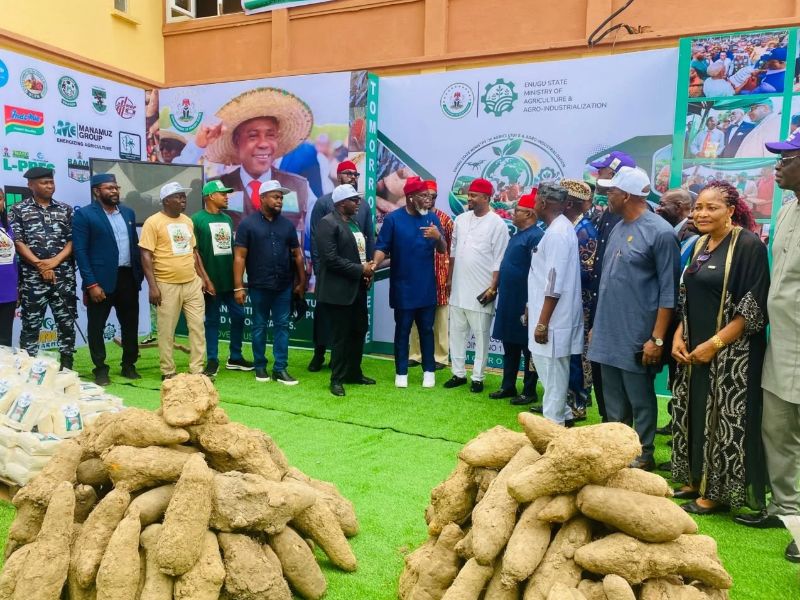
The Enugu State Government has reaffirmed its commitment to food security, commercial agriculture and agro-industrialisation. The government says it is reviving dormant agricultural assets and investing in modern farming, livestock development and post-harvest management.
The initiatives aim to increase food production, reduce waste, create jobs and strengthen the agricultural value chain. The administration also hopes to expand the state’s economy through investments that connect farmers with processors, transporters and markets.
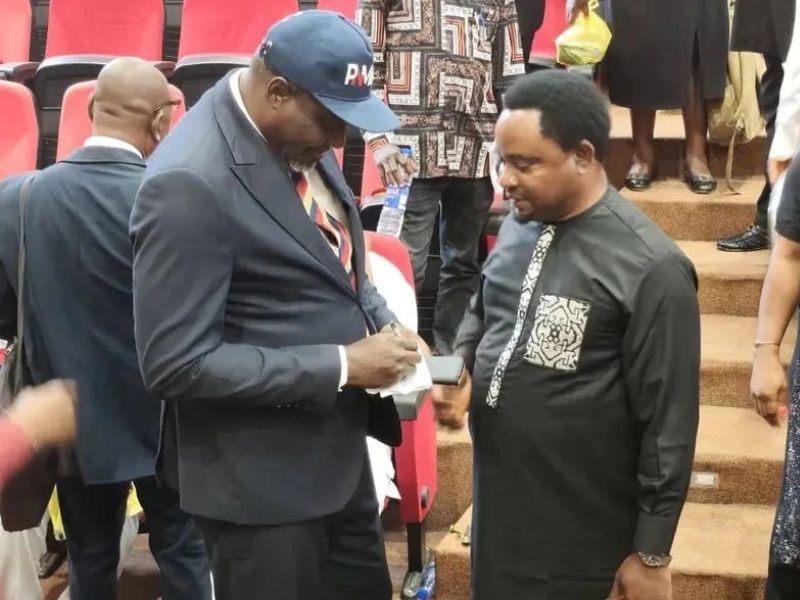
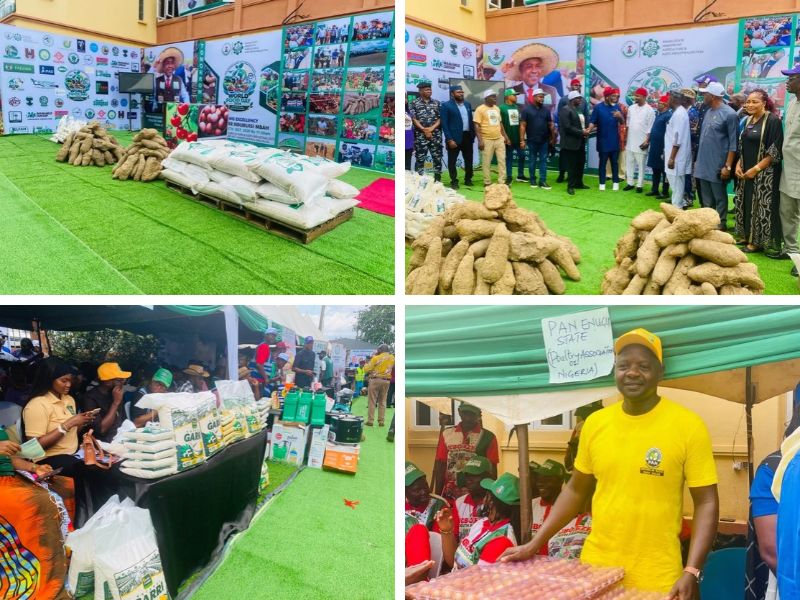
Secretary to the State Government, Prof. Chidiebere Onyia, disclosed this on Friday while representing Governor Peter Mbah at the 2026 World Food Day celebration in Enugu. The event carried the theme, “Innovate Today. Nourish Tomorrow,” and attracted government officials, farmers, investors, traditional rulers and other stakeholders.
The celebration provided a platform to discuss ways to improve food production and access to safe, nutritious food. Related regional efforts include the South-East Agro-Development Programme launched by Mbah and SEDC, which seeks to strengthen modern farming and agricultural value chains.
Enugu Government Prioritises Commercial Agriculture
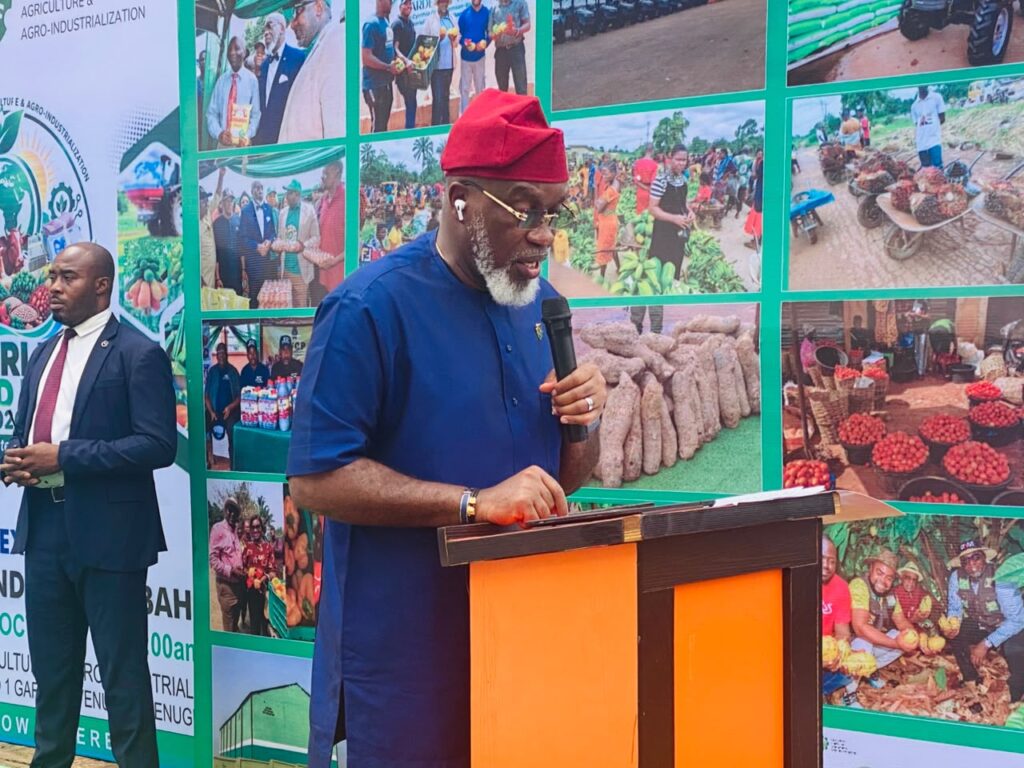
Onyia said the Mbah administration views agriculture as a major driver of economic growth, employment and rural development. He stressed the need to move beyond subsistence farming towards commercial agriculture that creates wealth across the value chain.
He explained that the government wants stronger connections between production, processing, storage, transportation and markets. These connections could help farmers earn better returns while supplying industries with locally produced raw materials.
Onyia said officials would measure agricultural investments by their impact on farmers, consumers and businesses. He added that acquiring infrastructure or technology alone would not demonstrate success without measurable benefits.
The SSG also identified the Digital Transformation Centre commissioned during the celebration as part of efforts to improve agricultural services. He said innovation also includes better farming methods, access to information, stronger cooperatives, effective extension services and efficient markets.
He challenged stakeholders to consider how farmers could increase productivity while reducing losses. He also asked how young people could build viable agribusinesses and women could access better financing. Reducing food waste between harvest and consumption, he added, must remain a priority.
The state’s plans align with the SEDC’s proposed 50,000-hectare agro-mechanisation project, which targets food production, employment and agricultural productivity across the South-East.
Government Revives Songhai Farms, United Palm Products

Onyia commended the Ministry of Agriculture and private investors for supporting the sector’s development. He cited the revival of United Palm Products Limited and the Songhai farm project as examples of partnerships that could deliver measurable results.
The Commissioner for Agriculture and Agro-Industrialisation, Dr. Patrick Ubru, said the state had recorded progress in reviving dormant agricultural assets. He identified Enugu Tribu Songhai Farms in Ezeagu and Enugu United Palm Products Limited as facilities advancing towards commercial production.
Ubru said the projects reflect the government’s effort to increase value addition within the state. By processing agricultural commodities locally, Enugu hopes to retain more economic benefits and create additional business opportunities.
The state’s approach also connects with wider efforts to attract private capital. Its proposed investment corridor with Germany includes opportunities in agriculture, agro-processing, energy and technology.
The commissioner also urged farmers to adopt improved practices and organise around shared interests. He encouraged young people to explore agriculture as a business while asking processors and investors to take advantage of opportunities in local commodities.
Enugu Develops Livestock and Greenhouse Farming
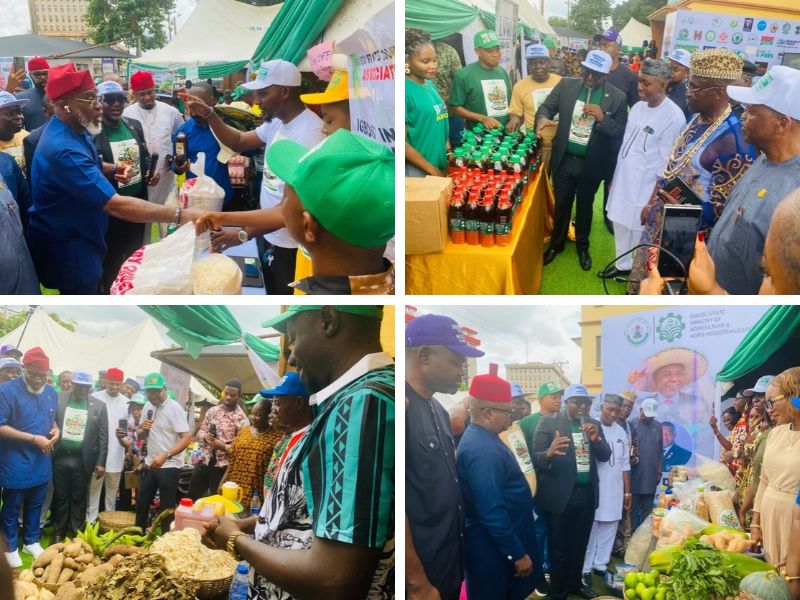
Ubru said the government was developing the Enugu Livestock Development Centre at Ubahu/Amankanu. The proposed facility would bring animal healthcare, livestock production, processing and marketing services together in one location.
The state is also promoting its Enugu Anchor Greenhouse Cluster Model. Under the initiative, cooperative farmers can access greenhouse facilities and solar-powered cold-chain infrastructure.
According to Ubru, the model aims to help women, young people and persons with disabilities establish agribusinesses. Participants can cultivate high-value vegetables and develop more sustainable income sources.
The cold-chain facilities should help preserve produce quality, reduce spoilage and extend the period available for marketing. This could give farmers more flexibility when selling perishable crops.
These plans also reflect the importance of agricultural machinery and regional cooperation. Read about Mike Ogbuekwe’s comments on the SEDC agro-mechanisation project, which is expected to create farming and employment opportunities.
Tractor Leasing and Smart Farm Estates
Ubru said the government’s tractor-leasing programme was helping farmers access machinery at affordable rates. The initiative aims to reduce the time and cost required to prepare farmland.
The commissioner also reaffirmed the state’s commitment to the Smart Farm Estates initiative. The programme seeks to improve production and provide infrastructure for organised farming, produce aggregation and supplies to processing industries.
He linked these investments to Governor Mbah’s ambition to grow Enugu’s economy from an estimated $4.4 billion to $30 billion by 2031. Achieving that target, he indicated, would require productive sectors that create jobs and attract investment.
The proposed farm estates also connect with broader regional infrastructure plans. These include the SEDC’s proposed gas pipeline, railway network and industrialisation agenda, which could support transport and access to markets.
Business leaders have also highlighted the relationship between security and investment. In a related report, NACCIMA backed Enugu’s $30 billion economic ambition.
Investors See Opportunities in Enugu Agriculture
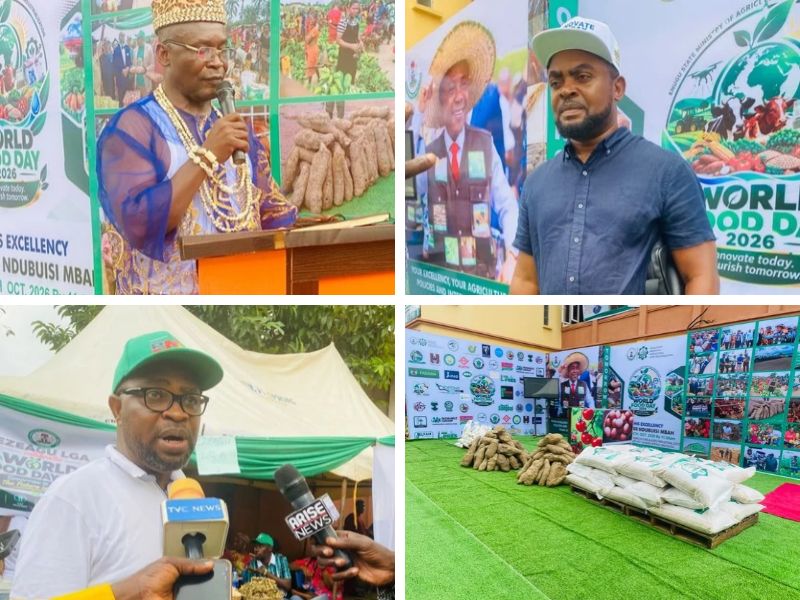
The Managing Director and Chief Executive Officer of Ugwuanama Farms Limited, Alhaji Sani Friday, said the state had created an enabling environment for agricultural businesses. He also noted the increasing participation of young people in the sector.
Friday described agriculture as an important source of employment, particularly amid limited opportunities in conventional white-collar jobs. He said greater participation could help young entrepreneurs establish businesses and develop new income streams.
He praised the introduction of agricultural education in the state’s Smart Schools. According to him, providing one hectare of land for agricultural activities at each school would expose pupils to practical farming from an early age.
Friday said this approach could prepare young people to modernise agriculture and support the state’s development goals. Practical experience could also help pupils understand farming as both a profession and a business opportunity.
The state’s focus on youth opportunities extends beyond agriculture. Governor Mbah has also urged Nigeria to make migration a choice rather than an escape, emphasising the need to create opportunities at home.
The Chief Executive Officer of Songhai-Tribu, Ozor Silas Nnamdi, also commended the government’s support for agriculture. He said the farm was already producing crops and demonstrating the potential of public-private partnerships.
Nnamdi expressed optimism that Enugu could become a leading food-producing state if it sustained its investments and support systems. He stressed that the ability to feed the population remained fundamental to development.
Ezeagu Plans Food Production Across 49 Communities
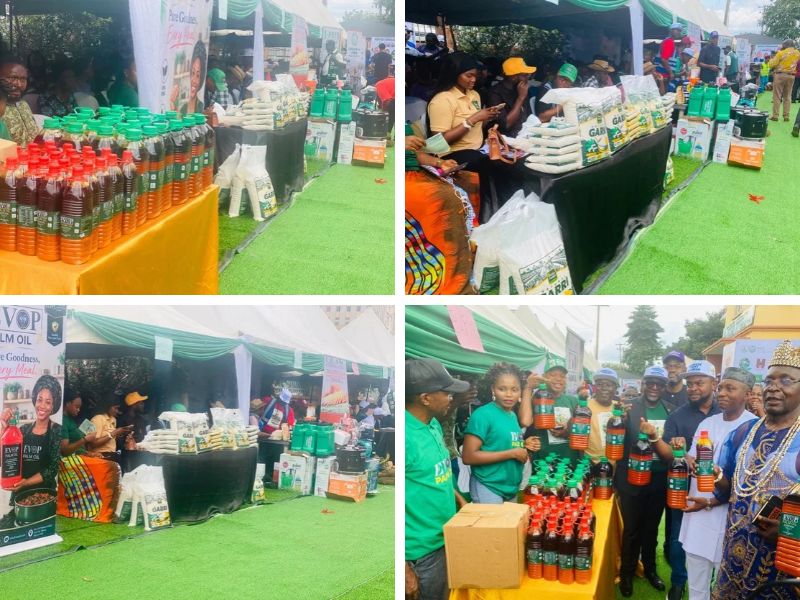
The Chief of Staff to the Chairman of Ezeagu Local Government Area, Dr. Obiora Igweme, said the council planned to cultivate 20 hectares of land across its 49 communities. The initiative aims to strengthen local food production and improve access to agricultural opportunities.
Igweme also showcased indigenous food products at the celebration, including mpoto, abacha and iwu. He highlighted their nutritional, cultural and commercial value.
He explained that mpoto, made from cocoyam leaves, features in traditional soups. Properly processed abacha and iwu, made from bitter yam, also form part of local diets and cultural practices.
Igweme said these products could support local food systems and preserve indigenous food culture. He added that processing traditional crops could create income opportunities for residents.
The emphasis on local foods also connects agriculture with nutrition. An emeritus professor’s call for homemade nutritional foods has similarly highlighted the role of local food resources in addressing malnutrition.
Meanwhile, UNICEF and Enugu have intensified efforts to tackle malnutrition, underlining the importance of nutrition alongside food production.
Traditional Rulers Support Agricultural Development
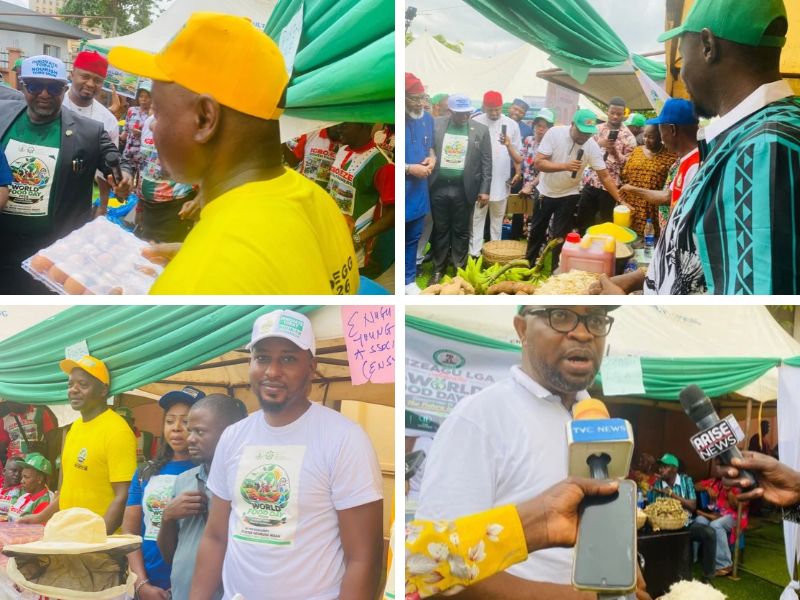
The Chairman of the Enugu State Council of Traditional Rulers, HRM Igwe Samuel Asadu, was represented by HRH Igwe Dr. Uchenna Ndikwe at the celebration. He commended the Ministry of Agriculture and said its activities had raised the state’s profile in food production.
Asadu also pledged the support of traditional institutions for efforts to expand agriculture and strengthen food security. Community leaders can help connect government programmes with farmers and local needs.
Ubru thanked Governor Mbah for providing counterpart funding for agricultural programmes. He said the funding had helped the state access development initiatives, build donor partnerships and extend support across the agricultural value chain.
The commissioner also announced that Enugu would host the 48th Annual General Meeting of the National Council on Agriculture and Food Security next month. He described the event as an opportunity to showcase the state’s progress and strengthen partnerships with stakeholders nationwide.
The celebration attracted the Chairman of the Enugu State House of Assembly Committee on Agriculture, Rt. Hon. Ejike Eze, alongside several commissioners and government officials. Other attendees included the Special Adviser to the Governor on Agriculture, Hon. Williams Chukwu, and the Enugu State Agricultural Development Programme’s manager, Prof. Samuel Onyeishi.
The Commissioner of Police was represented by Police Public Relations Officer SP Daniel Ndukwe. The event also drew Young Farmers Association President Mr. Kenneth Eze, agribusiness investors, traditional rulers and representatives from Ezeagu, Igbo-Eze South and Nkanu West.
Agricultural development also depends on community participation. The state’s community sensitisation and rural appraisal exercise across six communities offers another example of efforts to involve residents in local development.
Stakeholders Call for Sustained Agricultural Collaboration
Stakeholders at the celebration called for stronger collaboration among government, farmers, researchers, traditional institutions and private investors. They said coordinated action would help improve productivity, reduce food waste and strengthen the agricultural value chain.
The state’s agricultural investments span commercial farms, livestock facilities, greenhouses, mechanisation and cold-chain infrastructure. Their long-term impact will depend on implementation, access for farmers and the ability to connect production with reliable markets.
The government says it wants agriculture to create jobs, raise incomes and support food security. Reviving dormant assets and expanding modern farming remain central to its ambition to build a more productive agricultural sector in Enugu.