
The Nigeria Centre for Disease Control and Prevention (NCDC) is monitoring 53 primary contacts linked to Nigeria’s confirmed Ebola case as investigations expand.
The contacts include 44 people associated with the health facility where the patient received treatment. Health officials are also tracing people who may have encountered the woman at an emergency room she visited earlier.
NCDC Director-General, Dr. Jide Idris, disclosed the latest figures during a press briefing on Sunday. He said investigators were identifying secondary contacts to determine the extent of possible exposure and prevent further transmission.
The new figure represents an increase from the 44 contacts initially announced after the Federal Government confirmed the Ebola case in the Federal Capital Territory on October 20.
The development comes as authorities intensify efforts to contain the outbreak. The Federal Government has also directed agencies to step up public awareness about Ebola.
NCDC Identifies Additional Ebola Contacts
Idris said the agency had identified nine additional primary contacts outside the group of 44 linked to the health facility.
The additional contacts include three household members of the patient and people who attended to her at an emergency room before she reached the facility where officials confirmed the infection.
“As of now, we have 53 primary contacts. Of these, 44 are people from that health facility where the patient was treated,” Idris said.
The agency is also investigating the patient’s movements before her diagnosis. According to the World Health Organisation, the woman recently travelled from Uganda, developed symptoms on October 7 and sought medical attention on October 11.
Officials are examining her medical history to establish possible exposure points. A related report details what is known about the Ebola patient’s travel and medical history.
Contact Tracing Expands Beyond Direct Contacts
The NCDC said its investigation would extend beyond people who directly interacted with the patient.
Officials are asking identified contacts about their own interactions to determine whether others may have been exposed. Those additional people could also be monitored if investigators identify a possible link.
“For each person, we are going to ask questions. We have to establish who they have been in contact with. If we can identify those people, they will also be monitored,” Idris said.
The agency has started tracing people who attended to the patient during her earlier emergency room visit. Three healthcare providers who cared for her at that location are among the additional contacts identified.
Investigators are also examining possible exposure among healthcare personnel involved in collecting samples from the patient.
The expanded tracing exercise follows other precautionary measures introduced in the country. Enugu State, for example, has strengthened Ebola surveillance and placed health officials on alert.
NCDC Reviews Infection Prevention Measures
Idris said the agency was strengthening infection prevention and control measures in health facilities.
He acknowledged that some states and local authorities needed stronger preparedness and technical capacity to respond effectively to public health emergencies.
“When our infection prevention and control teams visit a facility, they assess the systems in place and identify areas that need to be corrected,” he said.
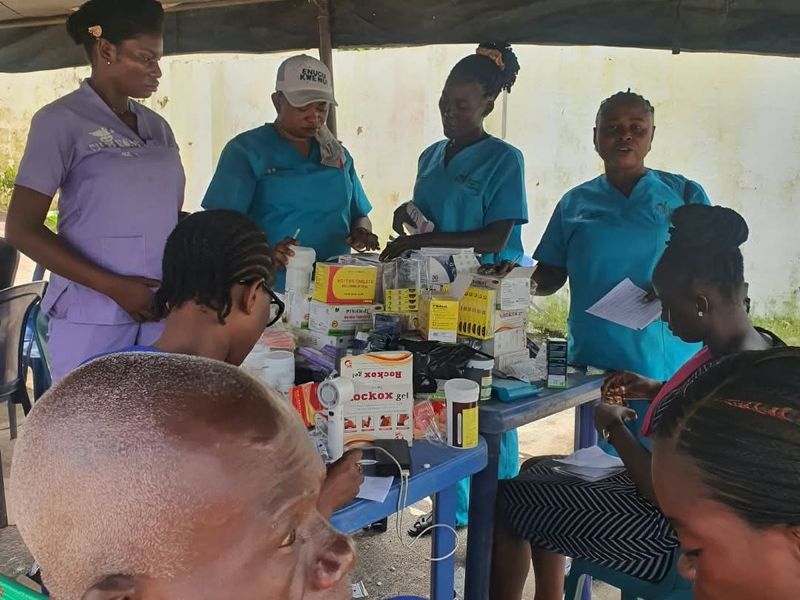
The NCDC is also training healthcare workers in infection prevention and control. Idris described these training programmes as essential to building the skills required to manage suspected cases safely.
“Capabilities and competencies at the subnational level are not as high as they should be. We are responsible for building those capabilities. That is why training is one of our most important priorities,” he said.
The response highlights the importance of prepared healthcare facilities and trained personnel. Enugu has also reported other disease-prevention efforts, including measures to address concerns about diphtheria and routine immunisation.
Contacts to Undergo Monitoring for Symptoms
The NCDC said it would monitor identified contacts for symptoms throughout the contact-tracing process.
People who do not show symptoms will remain under observation, including through temperature checks. Anyone who develops symptoms will require immediate assessment and appropriate intervention.
The agency’s monitoring process aims to identify possible infections early and support a prompt response.
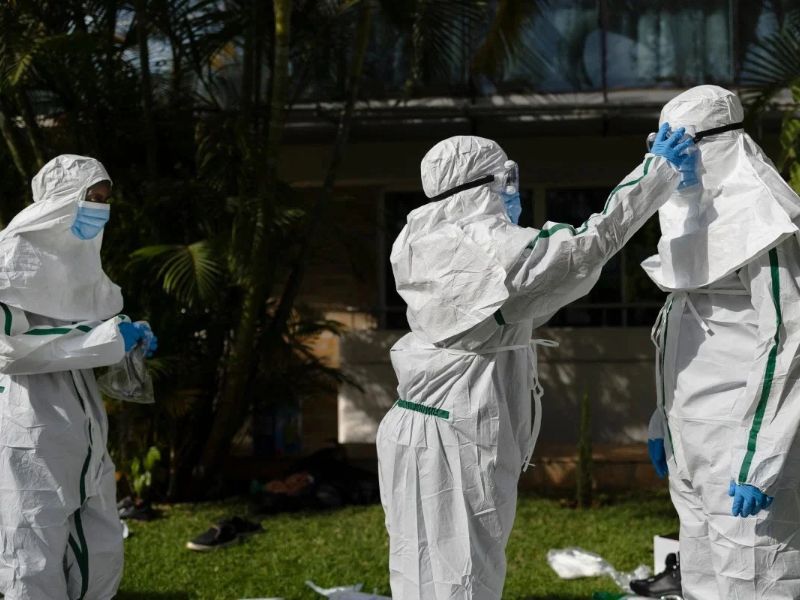
Healthcare workers remain a key focus because of their potential exposure while treating suspected or confirmed cases. Officials are therefore reviewing infection prevention procedures and reinforcing the need to follow established protocols.
The broader response also highlights the importance of healthcare infrastructure and reliable medical supplies. Enugu recently reported the commissioning of a pharmaceutical company intended to support medicine supply.
Ebola Case Linked to Bundibugyo Virus
The confirmed case involves Ebola disease caused by the Bundibugyo virus, a strain associated with an outbreak affecting parts of Central and East Africa.
The patient’s recent travel history has formed part of the investigation into the case. However, the contact-tracing exercise is focused on identifying people who may have been exposed and preventing further transmission.
The World Health Organisation has emphasised the importance of rapidly identifying cases, tracing contacts and applying strict infection prevention and control measures.
Public health programmes also rely on effective communication and community awareness. Related initiatives include UNICEF’s work with Enugu on malnutrition prevention, which highlights another area of public health intervention.
Government Urges Health Facilities to Remain Alert
The Federal Government has urged public and private healthcare facilities to maintain a high level of suspicion for possible Ebola cases.
Facilities should promptly isolate suspected cases, follow infection prevention protocols and report suspected infections to public health authorities.
The NCDC’s ongoing contact-tracing exercise forms part of the national response to the confirmed case. Officials are working to establish the extent of possible exposure while strengthening preparedness across the healthcare system.
Adequate staffing also remains important for effective health services. Nkanu East Local Government recently announced applications for healthcare and support staff positions.
Meanwhile, improvements to basic services can support healthcare delivery. A recent project in Enugu involved water infrastructure serving university and hospital facilities.
The NCDC has continued to stress the importance of contact tracing, early assessment and strict infection prevention measures. The agency’s investigation will help health officials identify possible exposure chains and guide further response actions.
Authorities are also urging the public to follow verified updates and health guidance as the investigation continues. The response forms part of wider efforts to strengthen disease preparedness and protect healthcare workers and communities.
For more on public health planning and government services, read about Enugu’s efforts to sustain development gains.