Governor Peter Mbah of Enugu State has called on the Federal Government to declare a national emergency in education, warning that Nigeria must make major investments in human capital to secure its future.
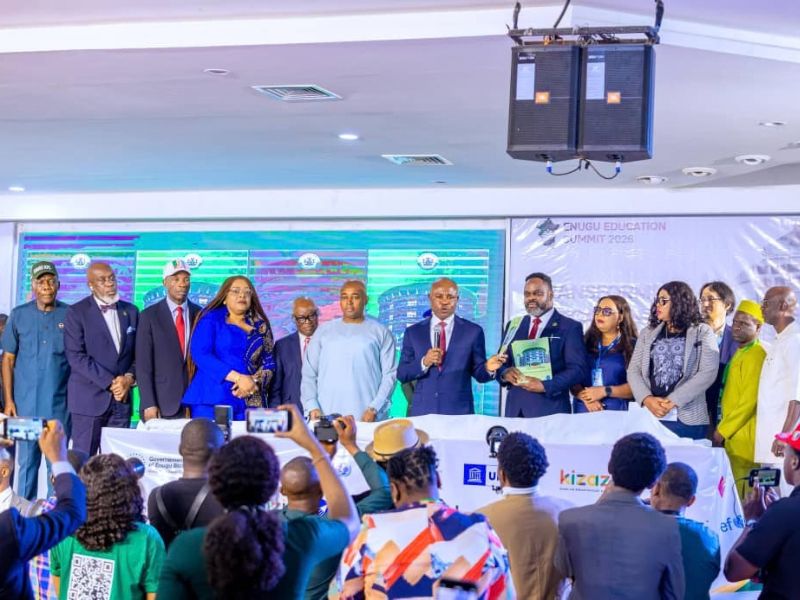
Mbah made the call on Wednesday, October 7, 2026, while delivering his keynote address at the 2026 Enugu Education Summit at the International Conference Centre in Enugu. He also unveiled the Enugu State Education Policy during the event.
The summit focused on transforming education through leadership, innovation, partnerships, financing and sustainable reforms. It brought together government officials, teachers, education experts, development partners and other stakeholders.
Mbah Says Nigeria Must Treat Education as a National Emergency
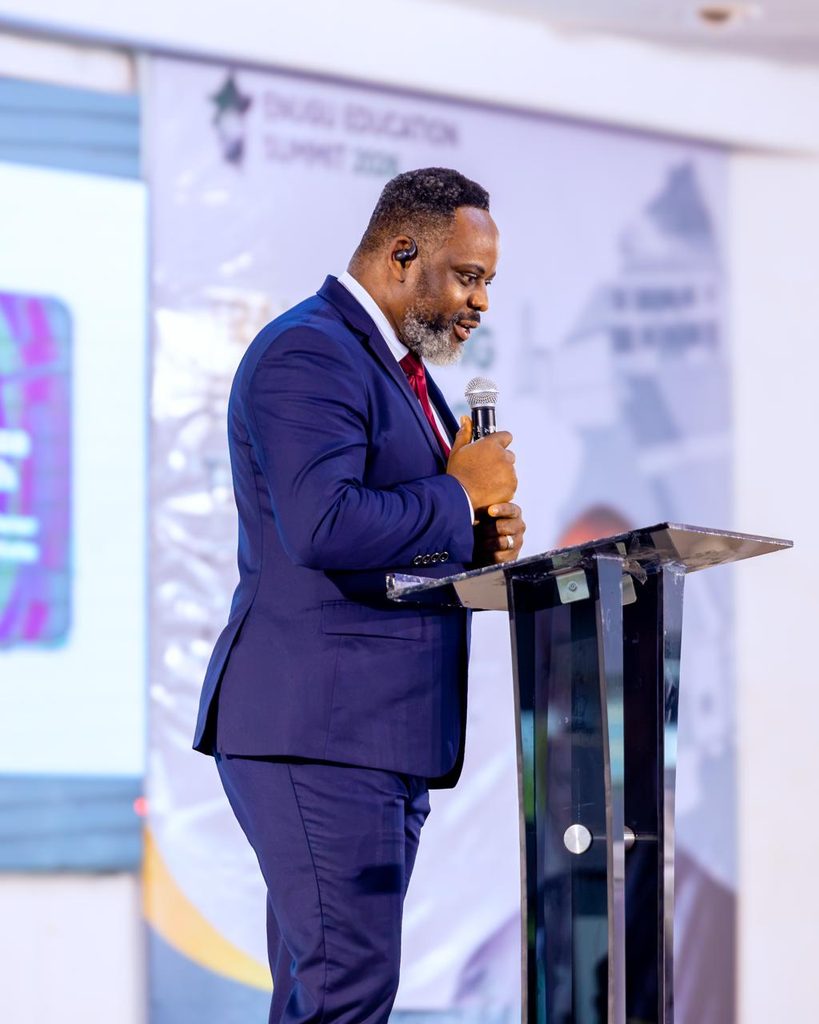
Mbah said Nigeria had reached a point where education could no longer be treated as an ordinary sector competing with other government priorities.
According to him, the country must approach education as a national emergency in education, with greater attention to funding, teacher development, infrastructure, standards and partnerships.
The governor argued that Nigeria’s future prosperity would depend heavily on the knowledge and capabilities of its citizens.
He said every Nigerian child should have access to an education system capable of preparing them for the changing demands of the modern economy.
Mbah also warned that the cost of failing to invest in education today could be much greater in the future.
Education Investment Linked to Nigeria’s Economic Future
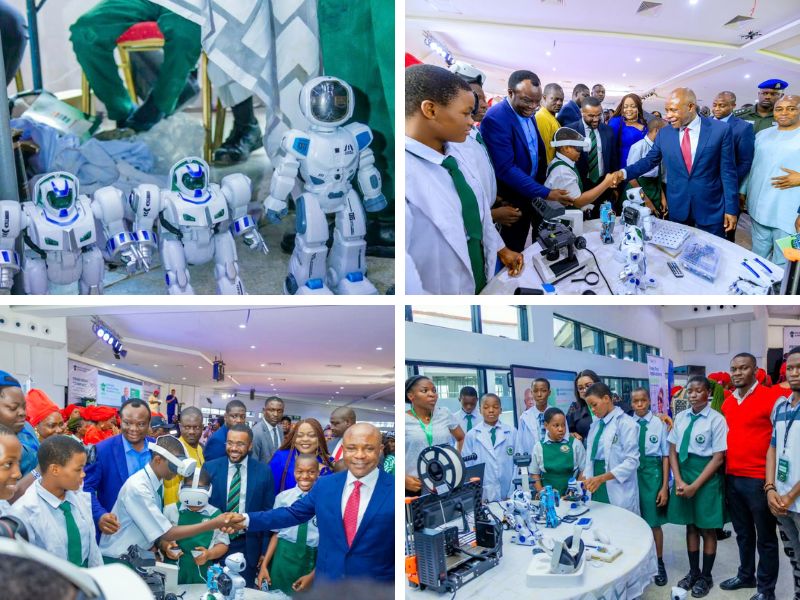
The governor linked education directly to poverty reduction, employment creation and sustainable economic development.
He said Nigeria could not permanently address poverty without equipping citizens with the knowledge and skills needed to create wealth, secure jobs, establish businesses and participate meaningfully in society.
Mbah also questioned the sustainability of infrastructure investments when future generations lack the skills required to maintain and improve them.
He argued that building roads and factories would not be enough if Nigeria failed to develop the skilled workforce needed to manage and expand such investments.
This position comes as other conversations around jobs and opportunities continue across the country, including the issues highlighted in FG Jobs Accessible Without Connections, FCC Commissioner Tells Enugu Youths.
Mbah Wants Nigeria to Move From Consumption to Creation
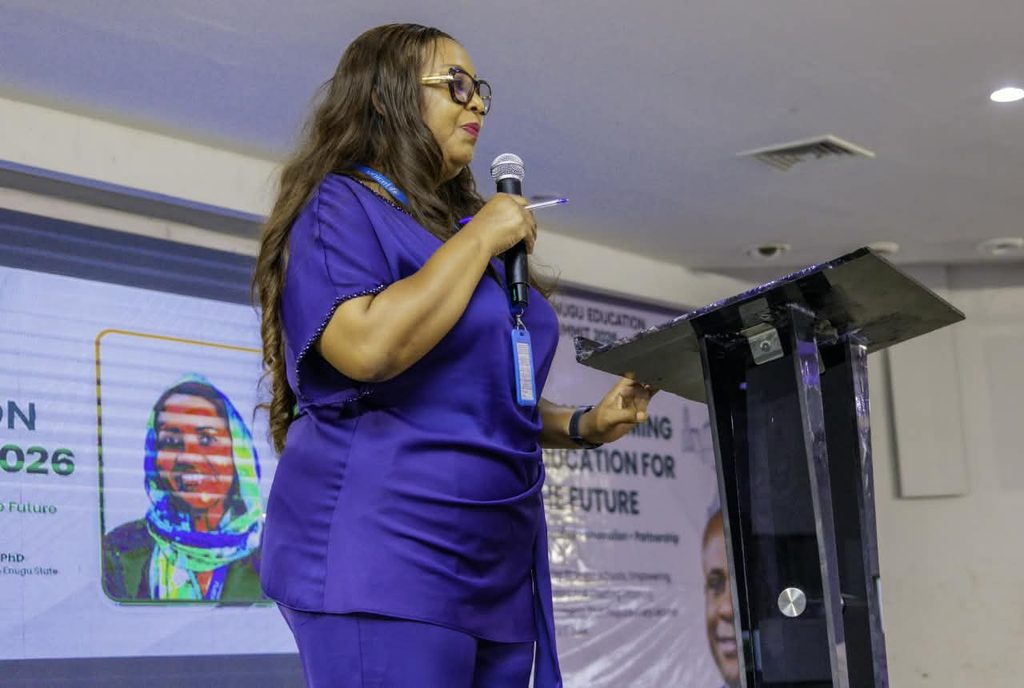
Mbah said Nigeria needs to move from being primarily a consumption economy to becoming a creation economy.
He argued that young Nigerians should not only learn how to use technology and products developed elsewhere.
Instead, he said education should equip them to research, design, engineer and create solutions for local and global challenges.
The governor warned that millions of young people entering adulthood without adequate skills could create significant economic and social consequences.
He therefore described education investment as a long-term national development strategy rather than simply government spending.
Enugu Allocates 33 Percent of Budget to Education

Mbah said Enugu State had demonstrated its commitment to education by allocating 33 percent of its annual budget to the sector for three consecutive years.
According to him, the investment has supported the construction of 268 Smart Green Schools and more than 7,000 classrooms equipped with modern learning tools.
He said the administration could have focused on gradually repairing existing schools and providing selected facilities.
Instead, the government chose what he described as a broader transformation of the state’s education system.
The governor’s argument is part of a wider development agenda in the state. Earlier reports have also focused on the administration’s development plans, including Peter Mbah Unveils 10,000+ Achievements, Targets $30bn Enugu Economy.
Governor Says Existing Education Model Is Not Enough
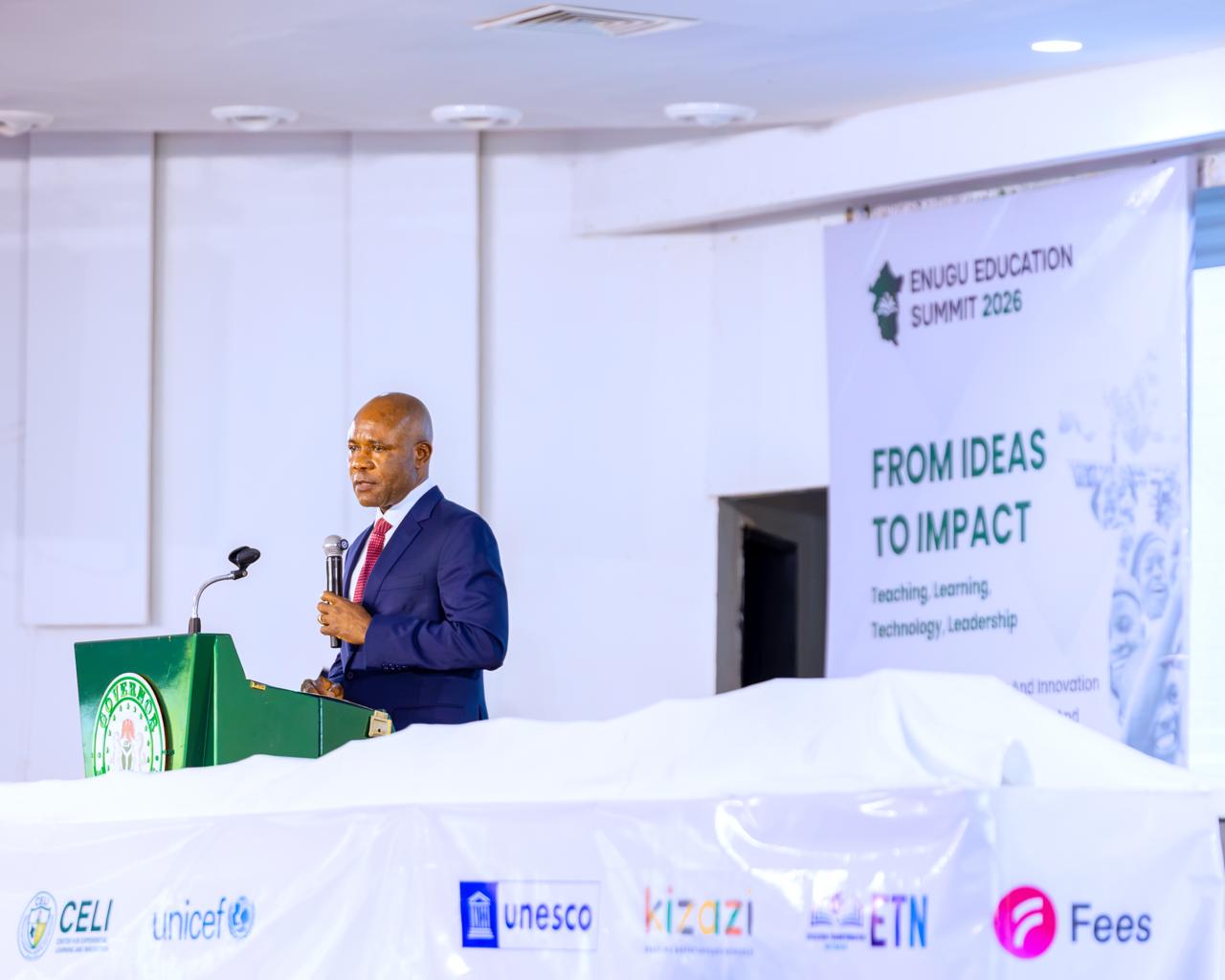
Mbah said his administration had to consider whether an education system designed decades ago could adequately prepare children for the world they would enter in the future.
He said the answer was no.
According to him, Enugu’s approach is therefore not simply about renovating classrooms or providing computers to selected schools.
The government wants to combine infrastructure, technology, innovation, teacher development and practical learning as part of a wider education transformation.
The governor described the approach as a “quantum leap” rather than a collection of individual projects.
Enugu Education Policy to Guide Sector for 6 to 10 Years
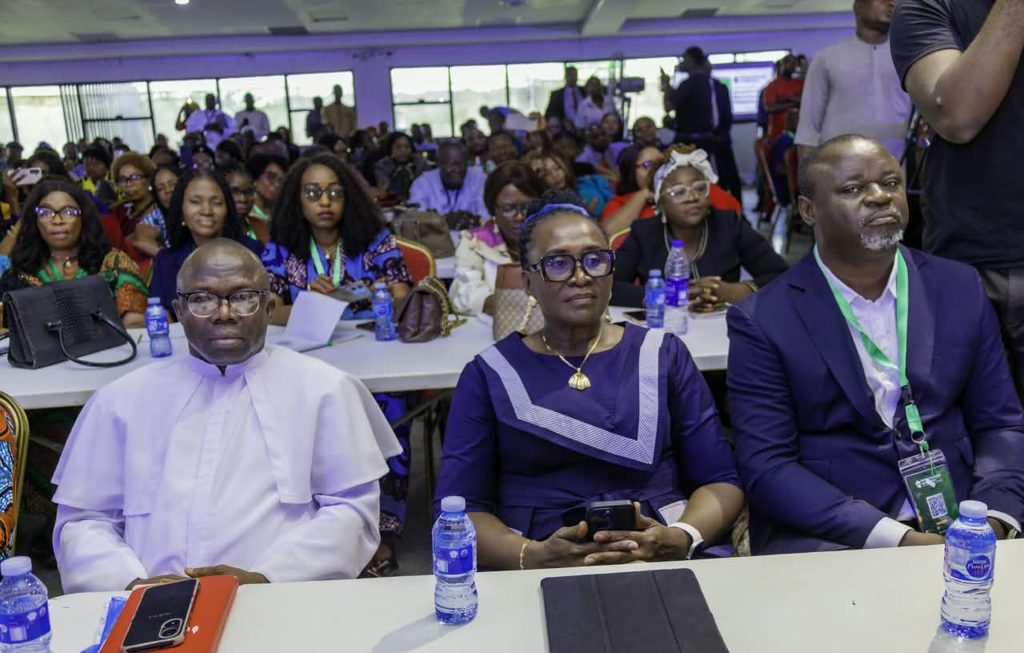
Mbah officially unveiled the Enugu State Education Policy during the summit.
He said the policy had already entered its implementation phase and would serve as a benchmark for the state’s education sector for the next six to 10 years.
The policy is intended to provide a long-term framework for education planning rather than responding only to immediate challenges.
Mbah said the policy was the product of deliberate planning and was designed to provide continuity for the state’s education reforms.
The development also comes as the state continues to pursue broader development initiatives, including Enugu Government Intensifies Efforts to Sustain Development Gains.
Summit Focuses on Leadership, Innovation and Sustainable Reform
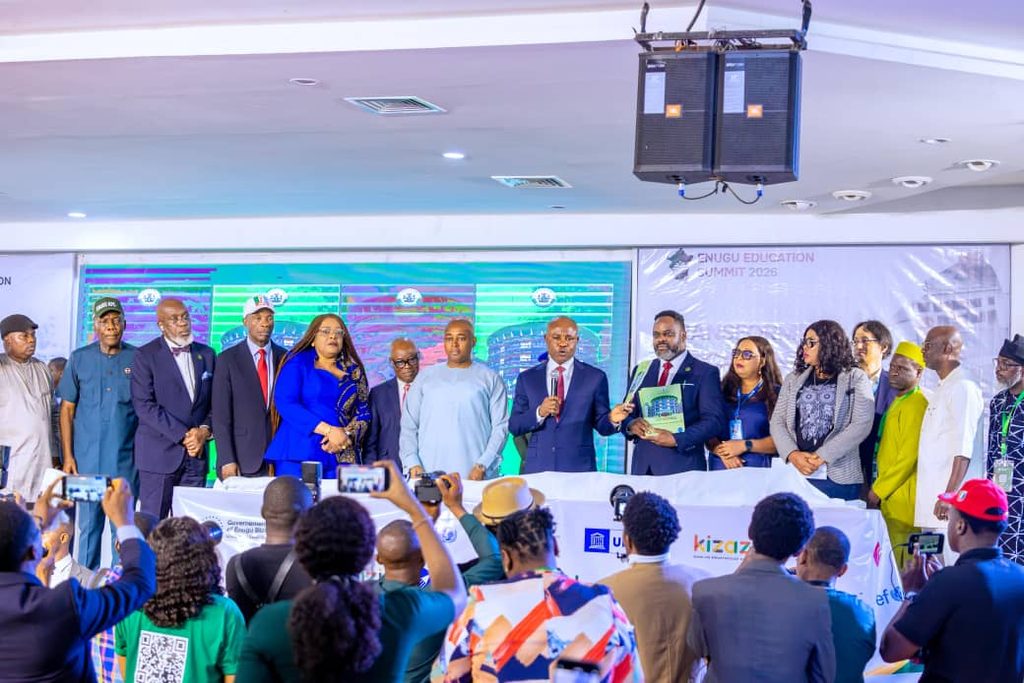
The 2026 Enugu Education Summit was themed “Transforming Education for the Future: Leadership, Innovation, Partnership, Financing and Sustainable Reform.”
The summit brought together education stakeholders to discuss teaching, learning, technology, policy, financing and professional standards.
Reports from the event indicate that participants also examined ways to improve learning outcomes and strengthen professional development for teachers.
The summit therefore provided a platform for stakeholders to discuss how education reforms can move from policy documents into practical improvements inside classrooms.
UNICEF Supports Enugu Education Transformation
UNICEF commended the Enugu State Government for its focus on education transformation.
The organisation highlighted the state’s investments in Smart Green Schools, teacher development, foundational learning, digital literacy and experiential learning.
UNICEF also supported the development of the Enugu State Education Sector Plan 2026–2035, according to reports from the summit.
The agency’s involvement reflects the importance of partnerships in implementing large-scale education reforms.
The wider community-development approach is also reflected in initiatives such as CSDA Takes Community Sensitisation, PRA Exercise to Six Enugu Communities.
UNESCO Commends Enugu Smart Green Schools
UNESCO also praised Enugu’s investment in education, particularly the development of the 268 Smart Green Schools and the Centre for Experiential Learning and Innovation.
The organisation highlighted the schools as an example of combining digital learning with environmentally responsible education.
UNESCO also pointed to the importance of preparing students for a rapidly changing world where technology, innovation and climate-conscious development are increasingly important.
The focus on practical learning is also connected to broader economic development plans in the state, including SEDC to Launch 50,000-Hectare Agro-Mechanisation Project in Enugu to Fight Unemployment, Insecurity.
British Council Pledges Continued Partnership
The British Council also expressed support for Enugu’s education reforms.
The organisation said it would continue working with the state government to support efforts aimed at improving education outcomes.
Its representative also highlighted the importance of giving learners strong foundations, creativity and practical skills that can help them contribute to society and the economy.
Partnerships with international organisations and development agencies are expected to remain important as the state implements its new policy.
Teacher Development Remains Central to Reform
The emphasis on teacher development is another major part of the education transformation agenda.
Modern classrooms and digital facilities alone cannot guarantee better learning outcomes without teachers who have the skills to use them effectively.
The summit therefore placed attention on professional standards, continuous development and the changing role of teachers in modern education.
The issue of skills development also connects with wider efforts to create economic opportunities for young people across Enugu State.
For example, Rep. Chimaobi Atu Empowers Enugu Media Practitioners With Digital Tools highlights another push toward digital skills and professional