The Enugu State Government has urged residents to take personal interest in their health and embrace preventive healthcare. The government said preventing diseases is often less expensive and risky than treating illnesses after they develop.
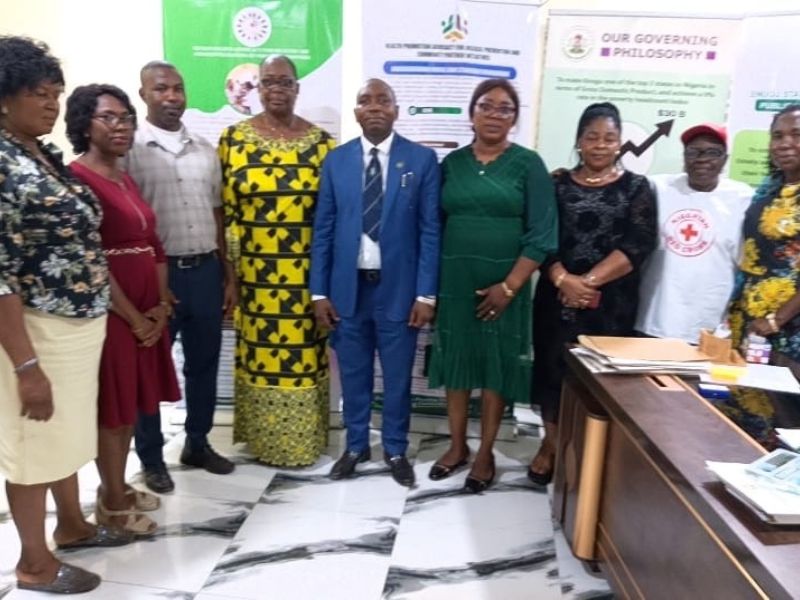
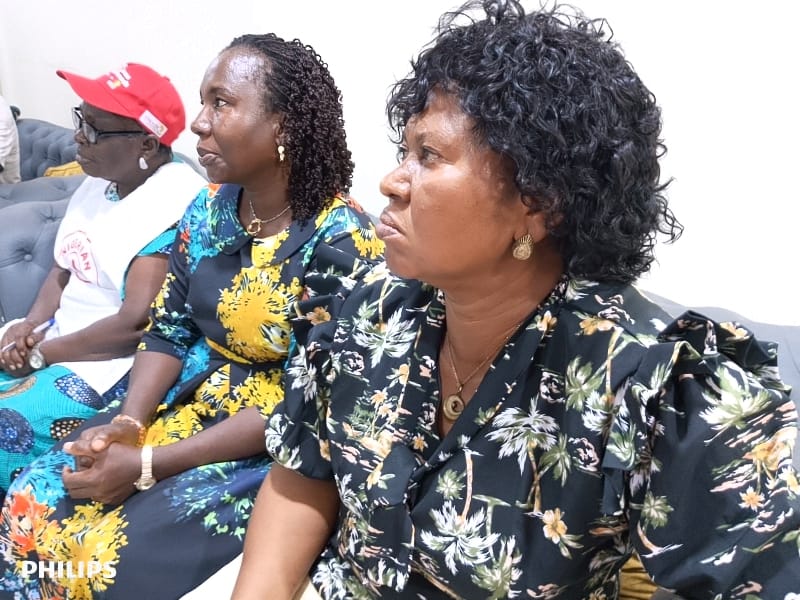
The Commissioner for Health, Prof. George Ugwu, made the call in Enugu on Friday. He spoke during a press briefing marking the first state-level commemoration and institutionalisation of National Health Promotion Day in Enugu State.
The event aligned with the third National Health Promotion Day 2026. It carried the theme, “Health Promotion: Owning My Health,” and the slogan, “Take Charge, Live Well.”
Ugwu said effective healthcare goes beyond treating illnesses. He explained that it also involves preventing diseases, improving health literacy and creating environments that support healthy living.
Enugu Health Commissioner Urges Residents to Embrace Preventive Healthcare
The commissioner encouraged residents to adopt practical habits that protect their health. These include healthy nutrition, regular physical activity, personal hygiene and appropriate health screening.
He also advised residents to seek medical attention promptly when necessary. Responsible environmental practices, he added, remain important to preventing health risks within communities.
Ugwu linked the campaign to the state government’s environmental sanitation and cleanliness objectives. He urged residents to dispose of waste properly, maintain clean surroundings and protect water sources.
He also encouraged communities to participate in sanitation activities. Access to clean water and proper sanitation remains important to public health, as shown by the state’s water projects serving SUMAS and its teaching hospital.
The commissioner said the commemoration would strengthen collaboration among government agencies and health promotion professionals. Other participants include NGOs, development partners, schools, religious institutions, traditional leaders and community organisations.
The government also plans to expand health awareness through churches, mosques, schools, markets, neighbourhoods and public spaces. These engagements will involve health education, community sensitisation and Social and Behaviour Change communication.
Government Highlights Enugu’s Healthcare Infrastructure
Ugwu said Governor Peter Mbah had demonstrated strong interest in healthcare development. He linked the administration’s efforts to the establishment and funding of a four-tier functional healthcare system.
According to the commissioner, the state has built 260 Type-2 Primary Healthcare Centres across its political wards. He also listed 54 cottage and general hospitals and two tertiary teaching hospitals.
The facilities also include a 300-bed Enugu International Hospital. The state government has previously highlighted these projects as part of its wider development programme.
A report on Mbah’s presentation of more than 10,000 achievements also details the administration’s reported healthcare investments.
The Nigerian Guild of Editors’ tour of Mbah’s projects included visits to major infrastructure projects, including the Enugu International Hospital.
Ugwu appealed to residents to use the healthcare facilities available across the state. He said infrastructure would deliver greater benefits when people actively accessed the services provided.
Enugu Lists Free Healthcare Services for Residents
The commissioner highlighted several healthcare interventions available to residents. These include free childhood vaccination and free malaria treatment in government-owned hospitals and selected private health facilities.
He also mentioned other free services for pregnant women and newborn babies. These programmes are intended to improve access to essential healthcare, particularly for vulnerable groups.
The state also operates a health insurance scheme that costs ₦1,000 monthly. This amounts to ₦12,000 annually and provides access to healthcare services through participating facilities.
Ugwu encouraged residents to take advantage of the scheme. He said it could help them access quality healthcare and preventive medical checks.
The government has also supported health interventions targeting mothers and children. Its partnership with UNICEF includes programmes to intensify the fight against malnutrition in Enugu.
At the community level, healthcare workers have also organised outreach programmes. One recent initiative involved a free medical outreach in Ugboawka, Nkanu East.
The state has also opened opportunities to strengthen healthcare delivery through recruitment of healthcare and support staff in Nkanu East.
Health Partners Commend Enugu Government
Ugwu commended health partners for supporting health promotion and literacy across the state. He particularly recognised Mrs Nma Ogbonna, Chairman of Health Promotion Advocacy for Disease Prevention and Community Partners Initiatives (HEPA4DICOPI).
He also acknowledged other organisations and individuals working to improve public health awareness. Their contributions, he said, support efforts to encourage residents to take greater responsibility for their well-being.
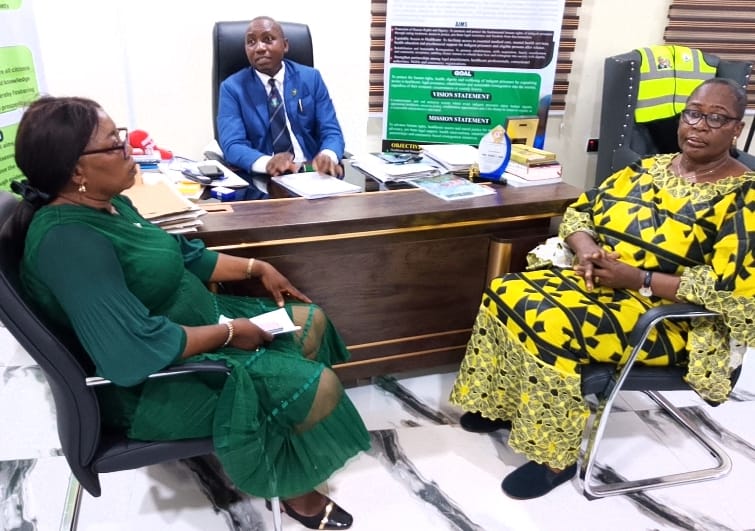
Speaking at the briefing, Ogbonna praised the state government for prioritising healthcare. She particularly highlighted its attention to healthcare delivery in rural communities.
Ogbonna also chairs HEPA4DICOPI and works with the Human Rights Advocacy for Healthcare and Reintegration of Indigent Prisoners (HRA4HRIP), an NGO.
She said the 2026 theme reinforced the need to empower and educate individuals, families and communities. According to her, people must understand their responsibility for protecting their health and well-being.
Other organisations represented at the briefing included the Ministry of Health’s Public Health Promotion Unit. Its Director, Mrs Stella Agu, led members of the unit.
Dr Oguamaka Aginam, Regional Manager of MSI Reproductive Choices Nigeria, also attended the event.
Enugu Strengthens Disease Prevention and Health Awareness
The state government’s call for preventive healthcare comes amid its wider public health activities. These include disease surveillance, immunisation and public awareness campaigns.
For instance, the Health Commissioner recently said Enugu had no confirmed diphtheria case. He also highlighted routine immunisation and disease surveillance measures.
The state has also strengthened disease surveillance following an Ebola case in Abuja. The measures include monitoring across the state’s 17 local government areas.
Nationally, the NCDC has continued monitoring Ebola contacts as part of efforts to contain the outbreak.
These developments underline the importance of early detection and public awareness. They also highlight why residents should seek reliable health information and follow appropriate medical guidance.
Enugu’s wider development plans have also identified healthcare as an important public service. A recent report on the government’s efforts to sustain development gains highlighted preventive medicine, maternal and child health, immunisation and health education.
The state has also expanded its healthcare infrastructure through private-sector investment. Governor Mbah recently commissioned a multi-billion-naira pharmaceutical company in Enugu, which is expected to support local medicine production.
National Health Promotion Day Holds Every October 29
Health Promotion Day is observed annually on October 29. Nigeria’s Ministry of Health initiated the observance in collaboration with its partners.
The 2026 commemoration encourages individuals and communities to take greater ownership of their health. It also promotes preventive practices and stronger collaboration among public health stakeholders.
For Enugu State, this year’s event marks the first state-level commemoration and institutionalisation of the observance. The government hopes to use the initiative to expand health awareness across communities.
Ugwu’s message centred on personal responsibility and the need to use available healthcare services. He urged residents to adopt healthier habits and take advantage of the state’s health facilities and programmes.
The commissioner maintained that promoting health requires more than treating illnesses. It also depends on informed individuals, healthier communities and collective efforts to prevent diseases.