The Enugu State Ministry of Health has sealed some private health facilities in Enugu South Local Government Area. The affected facilities allegedly operated illegally and engaged in unacceptable medical practices.
The ministry carried out the enforcement during an inspection of about 12 private health facilities. The exercise aimed to assess their operational standards and verify compliance with healthcare regulations.
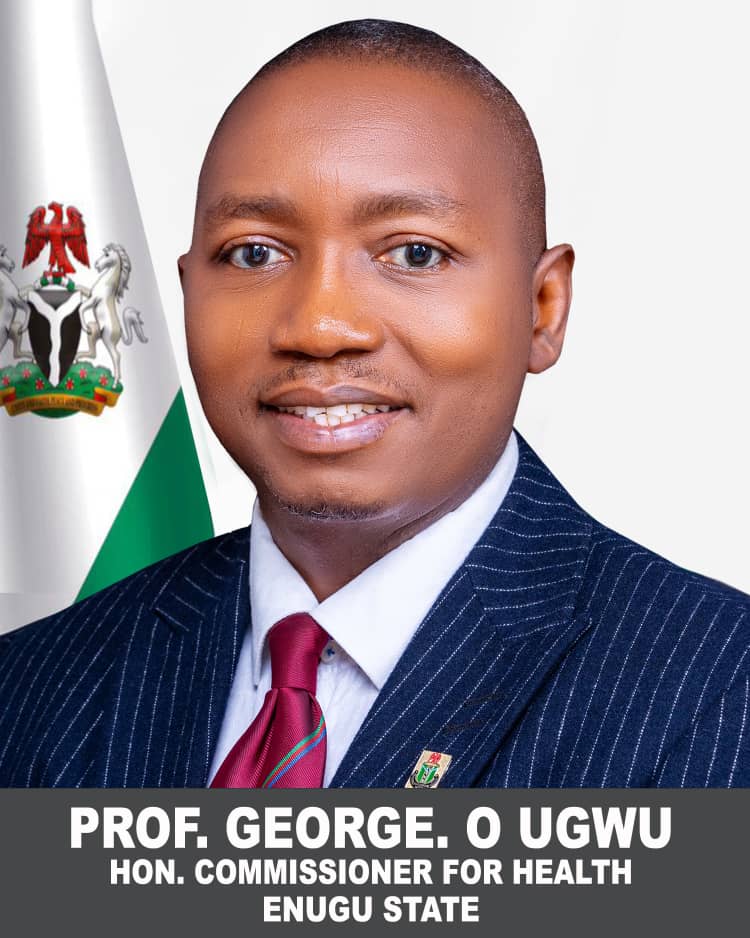
The Commissioner for Health, Prof. George Ugwu, led the exercise. The Director of Medical Services, Dr Chinyere Ezeudu, coordinated the inspection team.
Ezeudu said the team visited the facilities to assess their operational standards and registration status. She added that the exercise would ensure compliance with established healthcare regulations and professional guidelines.
Enugu Government Seals Non-Compliant Health Facilities
The director expressed disappointment over the conditions the team discovered during the inspection.
She described the disregard for healthcare regulations and professional standards as unacceptable. According to her, such practices pose serious threats to public health.
Consequently, the ministry sealed the affected facilities and ordered them to stop operations immediately.
The government said the enforcement would protect residents from substandard healthcare services. It also aims to prevent unqualified medical practices and other activities that could endanger lives.
The exercise forms part of the state’s efforts to strengthen healthcare regulation and improve service delivery. The government has also urged residents to take greater responsibility for their health through its Health Promotion Day campaign.
Ugwu Warns Private Healthcare Operators
Ugwu reaffirmed the Enugu State Government’s commitment to protecting residents’ health and wellbeing.
He said Governor Peter Mbah’s administration would sustain effective regulation, quality assurance and monitoring across healthcare facilities.
The commissioner stressed that the government would not tolerate illegal medical operations or professional misconduct.
He also warned operators against practices that compromise patients’ safety.
Ugwu directed private healthcare providers to register their facilities and obtain the necessary operating licences. He further urged them to provide only services covered by their approved licences.
The commissioner said the ministry would continue its monitoring and enforcement exercises. He added that only qualified and authorised healthcare providers should deliver medical services in the state.
Enugu Strengthens Healthcare Regulation and Public Health
The latest enforcement comes amid wider efforts to improve healthcare delivery across Enugu State.
The government has continued to address public health concerns through disease surveillance and other preventive measures. Recently, the Health Commissioner clarified that Enugu had no confirmed diphtheria case.
The state also strengthened disease surveillance after the confirmation of an Ebola case in Abuja. The government subsequently placed health officials on alert across its 17 local government areas.
Meanwhile, national health authorities have continued monitoring suspected disease exposures. The NCDC’s monitoring of Ebola contacts highlights the importance of effective surveillance and timely medical response.
Enugu has also invested in healthcare infrastructure and local pharmaceutical production. Governor Mbah recently commissioned a multi-billion-naira pharmaceutical company, which is expected to support medicine production.
The state has also continued to highlight healthcare projects under its development programme. Members of the Nigerian Guild of Editors recently toured several Mbah administration projects, including healthcare infrastructure.
Government Expands Healthcare Support
Beyond infrastructure, the state government has pursued interventions targeting vulnerable residents.
Its partnership with UNICEF supports efforts to improve nutrition among children and pregnant women. The programme forms part of the state’s wider fight against malnutrition.
At the grassroots level, health workers have also organised medical outreach programmes. One recent exercise involved a free medical outreach in Ugboawka, Nkanu East.
The government has also taken steps to address staffing needs across the healthcare system. Nkanu East recently opened applications for healthcare and support staff positions.
Furthermore, the state has identified healthcare as a priority in its development agenda. Its plans include sustained investment in primary healthcare, preventive medicine and essential medical services.
A report on the state’s efforts to sustain development gains also highlighted the need for functional healthcare facilities and trained personnel.
The state government has similarly listed healthcare infrastructure among its reported achievements. These include 260 Type-2 Primary Healthcare Centres, as detailed in its 10,000-plus achievements report.
However, the latest enforcement underscores the importance of regulating both public and private healthcare providers.
The Ministry of Health has urged private operators to comply with registration and licensing requirements. It also warned that the government would continue inspections to protect patients and uphold professional standards.