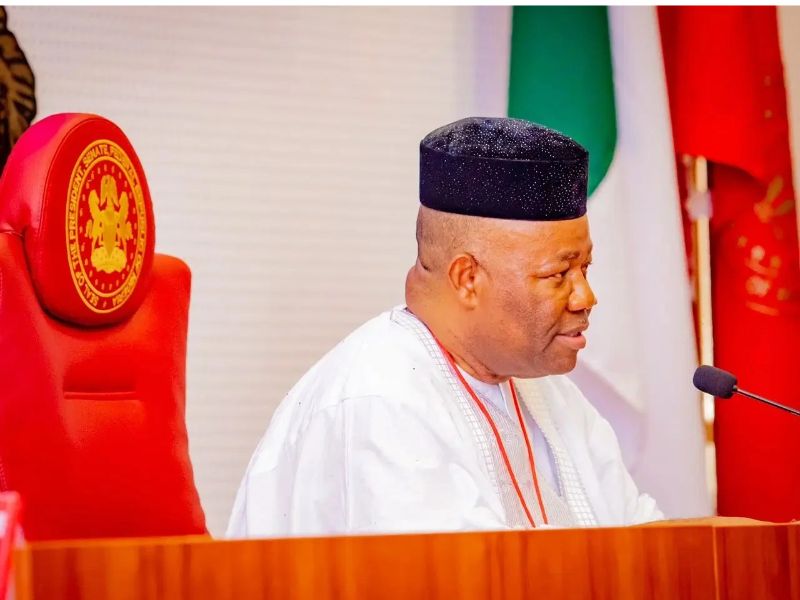
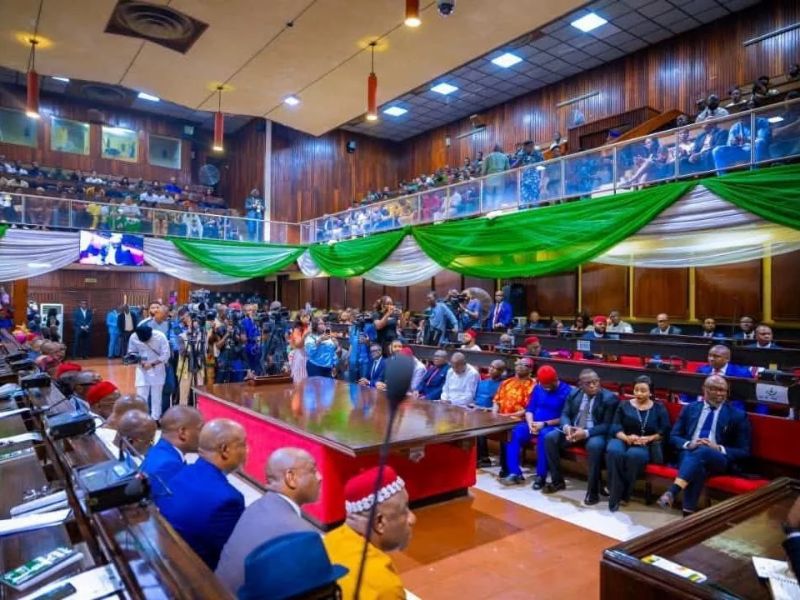
The Enugu State House of Assembly has passed a bill to regulate landlord-tenant relationships and protect residents from exploitative rental practices.
The Landlord and Tenant Amendment Bill, CAP 101, Laws of Enugu State 2025, seeks to control agency fees, legal charges, caution deposits and rent increases.
The bill also proposes new eviction procedures, a special tribunal for tenancy disputes and stricter regulation of estate agents.
The House passed the legislation during Tuesday’s plenary at the Assembly Complex in Enugu.
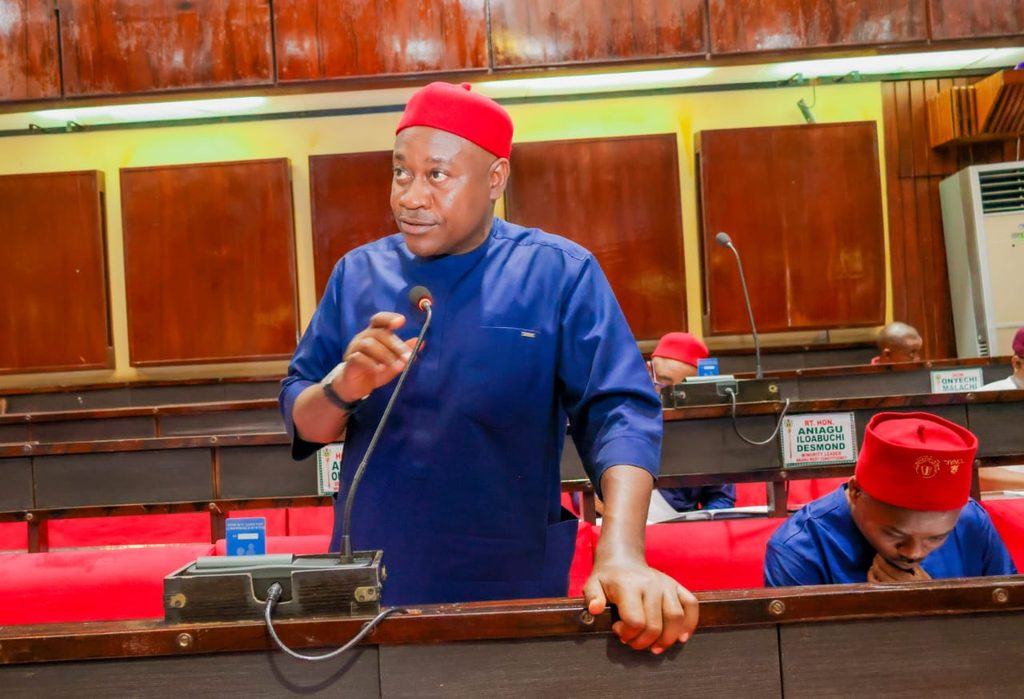
The bill’s sponsor, Rt. Hon. Anthony Okey Mbah, represents Nkanu East State Constituency. He also chairs the House Committee on Housing and Foreign Investments.
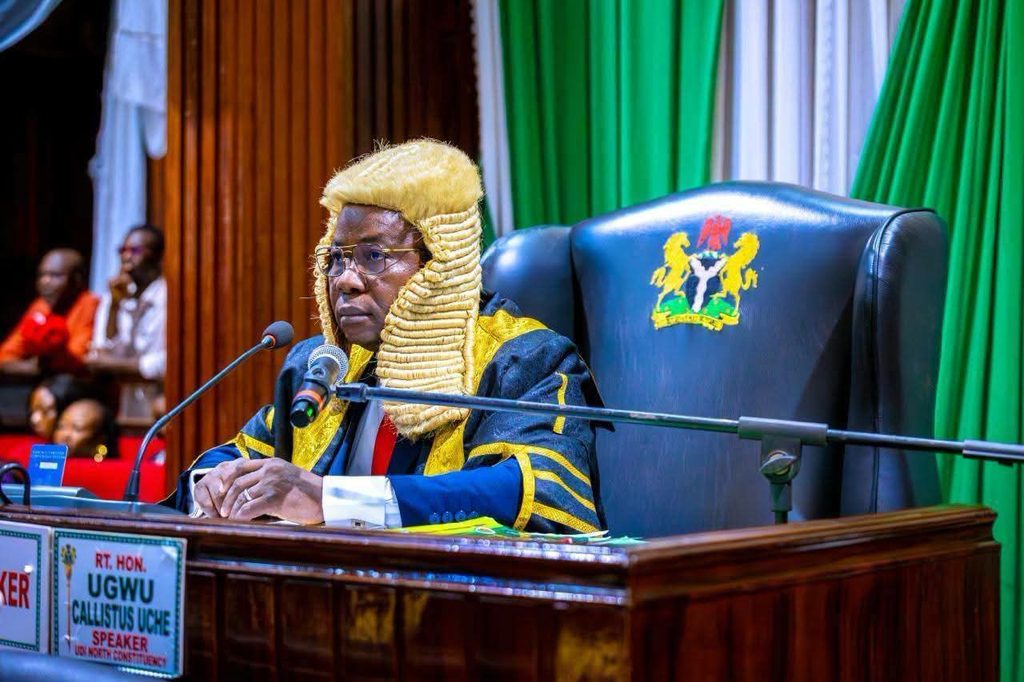
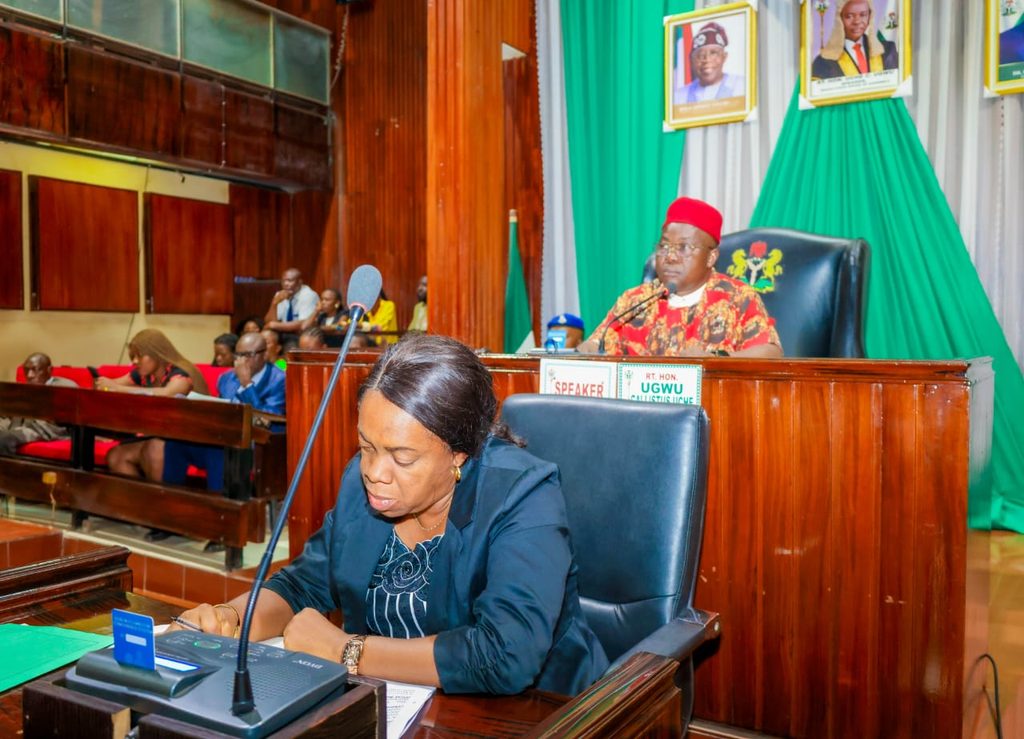
Speaker of the House, Rt. Hon. Uche Ugwu, announced the passage in a Facebook post. He described the legislation as a landmark measure against exploitative practices by landlords and estate agents.
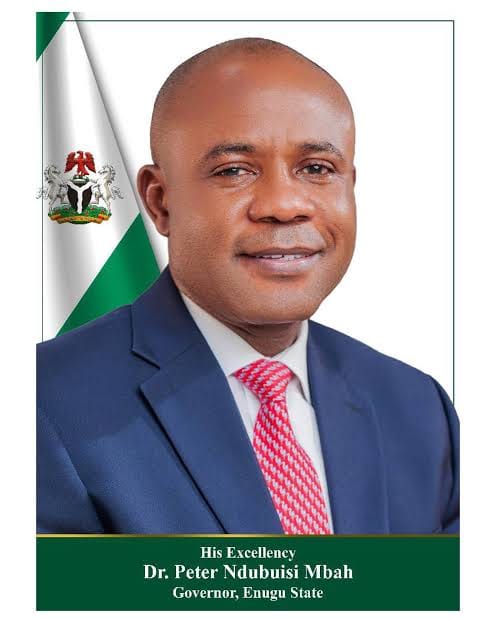
The bill will now go to Governor Peter Mbah for assent. Its provisions will take effect if the governor signs it into law.
The development follows an earlier executive proposal by the governor. Mbah had previously sent a bill to amend Enugu’s tenancy law and curb arbitrary rent increases.
Speaking after the passage, Anthony Okey Mbah described the legislation as a people’s bill. He said it responds to residents’ longstanding complaints about excessive rental charges.
“I regard this bill as a people’s bill, a parliament’s bill, because this bill, in its spirit and intent, tends to address the yearnings of the people of Enugu State,” he said.
Enugu Tenancy Bill Limits Agency Fees to 5%
One major provision of the bill restricts estate agents’ fees to five per cent of the annual rent.
The proposed regulation aims to stop agents from imposing arbitrary charges on prospective tenants.
Anthony Okey Mbah said excessive agency charges have become a major concern in Enugu’s rental market.
He illustrated the problem with examples of apartments whose additional charges far exceed their advertised rents.
According to him, an apartment advertised for N300,000 could attract total payments of N950,000. Similarly, a N500,000 apartment could require as much as N1.4m.
“Over the years, we have these bully-like agents in the state, bullying our citizens, bullying prospective tenants over rates that are so exorbitant that you can’t imagine,” he said.
The bill also sets legal fees at 10 per cent of the annual rent. It limits caution deposits to 10 per cent and makes them refundable when the tenancy ends.
The proposed controls form part of wider efforts to improve Enugu’s housing environment. The state has also attracted private investment in property development and urban growth.
Caution Deposits to Be Managed Through Attorney-General’s Office
The legislation proposes a new arrangement for managing tenants’ caution deposits.
Under the bill, the state Attorney-General’s office will oversee a bond account where landlords’ caution deposits will remain.
Anthony Okey Mbah explained that tenants would receive their deposits with accrued interest when they leave their apartments.
However, the refund will depend on the condition of the property’s fittings and fixtures.
He said the arrangement would prevent landlords from withholding caution fees without proper justification.
The Attorney-General’s office will also help implement the security provisions contained in the legislation.
The proposed system aims to establish greater accountability in rental transactions. It will also provide clearer rules for handling tenants’ deposits.
Landlords Cannot Increase Rent Within Four Years
Another major provision restricts landlords from increasing rent during a tenant’s first four years in a property.
After the four-year period, any rent increase must not exceed two per cent of the annual rent.
Anthony Okey Mbah said the provision would protect tenants from sudden increases that could threaten their ability to maintain accommodation.
However, the bill allows a different arrangement when landlords renovate or modify their properties.
In such cases, the rent increase must not exceed 10 per cent of the annual rent.
The proposed restrictions aim to make tenancy agreements more predictable. They also seek to prevent landlords from imposing unreasonable increases without clear limits.
The legislation comes amid wider discussions about housing affordability and investment in Enugu. The state government has outlined its development priorities and plans to sustain ongoing projects.
Enugu Introduces Know Your Tenant Security Arrangement

The bill also introduces a security requirement for landlords to identify people occupying their properties.
Anthony Okey Mbah said the provision became necessary because of security concerns involving unidentified occupants of residential buildings.
He recalled a security operation in which authorities reportedly arrested suspected criminals in a property. Other occupants allegedly did not know their identities or activities.
The bill proposes a system called Know Your Tenant (KYT), similar to the Know Your Customer arrangement used by financial institutions.
Under the proposed system, landlords must obtain tenants’ biodata and identification details.
The Department of State Services (DSS) will help structure the arrangement. It will work with guidelines from the state Attorney-General.
The lawmaker said the measure would strengthen residential security by ensuring landlords hold verifiable information about occupants.
Security has also featured prominently in the state’s development agenda. NACCIMA recently praised Mbah’s security efforts and backed Enugu’s $30bn economic ambition.
Special Tribunal to Resolve Tenancy Disputes Within 21 Days
The proposed legislation provides for a special tribunal to handle landlord-tenant disputes.
According to Anthony Okey Mbah, the tribunal must resolve cases brought before it within 21 days.
The bill also requires landlords to provide proof of service before starting legal proceedings against tenants.
This requirement particularly covers eviction cases.
The lawmaker said the provision would prevent tenants from discovering judgments against them without receiving proper notification.
“The era of all of a sudden seeing a judgment on you, throwing away your properties without due service is over,” he said.
He explained that tenants must receive proper notice and an opportunity to respond to claims against them.
The proposed tribunal will also help reduce delays in resolving tenancy disputes.
Enugu to Register and Certify Estate Agents
The bill seeks to regulate estate agency activities through mandatory registration and professional certification.
Anyone seeking to operate as an estate agent in Enugu must obtain certification from the Estate Surveyors and Valuers Registration Board of Nigeria (ESVARBON).
The individual must then register with the Enugu State Housing Development Corporation. Anthony Okey Mbah said the arrangement would prevent unqualified operators from conducting estate agency business.
“The era of quack agents is now over in Enugu State,” he said.
He added that anyone claiming to be an agent must provide the required professional certification and registration. The lawmaker also warned that landlords who engage unqualified agents could face consequences under the proposed law. The measure aims to improve professionalism and accountability in the state’s property market.
Task Force to Enforce Tenancy Regulations

The legislation provides for a task force under the Enugu State Housing Development Corporation. The task force will monitor compliance, investigate complaints and address violations of the proposed regulations.
The special tribunal will complement its work by handling disputes and imposing appropriate consequences. Anthony Okey Mbah said Governor Peter Mbah would establish and inaugurate the tribunal after signing the bill.
He assured residents that the enforcement arrangements would ensure compliance.
“There are huge consequences,” he said.
The proposed framework forms part of the administration’s wider institutional and development reforms. Mbah’s compendium of more than 10,000 achievements highlights projects and reforms across Enugu.
Assembly Considers Platform for Available Apartments

Anthony Okey Mbah also acknowledged the difficulty prospective tenants face when searching for vacant apartments. He said residents need a reliable platform to access information about available properties.
Such a system could help prospective tenants identify vacant apartments and connect with accredited agents or landlords. The lawmaker urged residents to report landlords and agents who violate the proposed regulations.
He also disclosed plans for a technical session with the Enugu State Housing Development Corporation. The engagement will focus on translating the bill’s provisions into practical enforcement arrangements.
It will also address access to information about vacant apartments and the activities of estate agents.
The state has continued to pursue investment and infrastructure projects that support urban development. The Nigerian Guild of Editors recently toured major projects under the Mbah administration.
Governor Mbah Expected to Sign Tenancy Bill

Anthony Okey Mbah expressed confidence that Governor Peter Mbah would assent to the bill. He said the governor had shown interest in the legislation and contributed directly to some of its provisions.
These included measures addressing security and frequent rent increases. The lawmaker said the administration had consistently emphasised the need to protect residents from exploitative tenancy practices.
Speaker Uche Ugwu had also described the bill as a response to complaints about arbitrary rent increases, excessive fees and unlawful evictions.
The governor’s administration has pursued several development initiatives across the state. These include housing-related investment, infrastructure expansion and improvements to public services.
Enugu’s development agenda also features projects aimed at expanding education and healthcare access.
The government has equally promoted private investment as part of its economic growth strategy. Mbah recently commissioned a multi-billion-naira pharmaceutical company in Enugu.
He has also highlighted the role of investment and infrastructure in achieving the state’s economic ambitions. The governor recently commissioned a Premium Trust Bank branch in Enugu.
Other development initiatives include agriculture and improved access to investment opportunities. Mbah and the South-East Development Commission launched an agro-development programme in Enugu.
The administration has also highlighted infrastructure as a key part of its development plans. Mbah recently presented his manifesto scorecard and said Enugu had regained confidence.
Meanwhile, the state continues to promote its development projects across communities. The APC’s 2027 campaign flag-off in Nsukka featured promises of further infrastructure investment.
The party has also outlined plans to take its campaign to communities across the state. Enugu APC released a schedule for visits to 68 development centres.
The governor has urged political stakeholders to connect development projects with grassroots engagement. Mbah also inaugurated the Enugu APC Campaign Council ahead of the 2027 elections.
With the Assembly’s passage of the tenancy bill, attention now shifts to the governor’s assent.
If signed into law, the legislation will establish new rules for landlords, tenants and estate agents across Enugu State.
Its implementation will determine how effectively the proposed measures address excessive charges, rent increases, unlawful evictions and tenancy disputes.