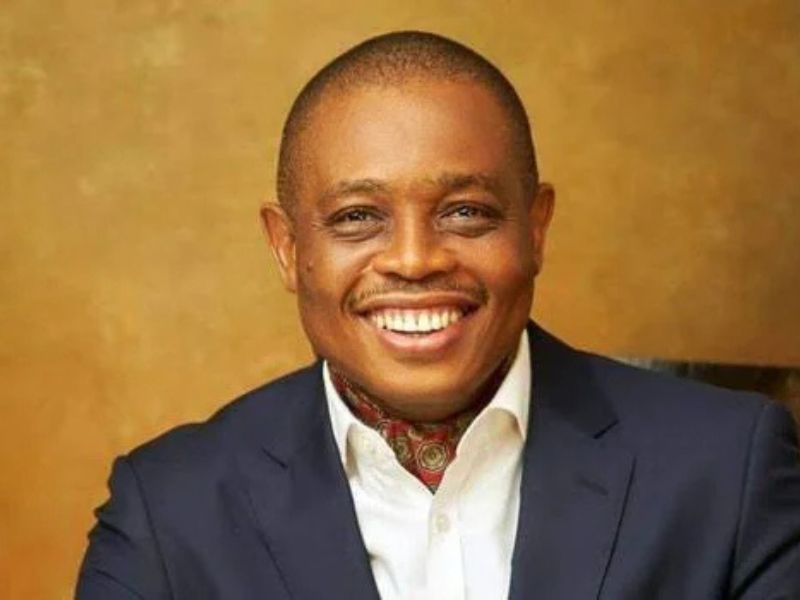
Former President of the Nigerian Bar Association (NBA), Mazi Afam Osigwe (SAN), has criticised what he described as the growing influence of courts in determining electoral outcomes in Nigeria.
Osigwe alleged that politicians increasingly rely on election tribunals and courts to secure victories instead of winning the support of voters. He spoke on Thursday in Enugu at the 22nd Nigeria Guild of Editors Conference, where he discussed what he called the judicialisation of the electoral process.
According to him, difficulties in proving violations of electoral laws have contributed to a situation where courts increasingly determine who assumes elected office. His comments come amid ongoing discussions about electoral transparency, voter confidence and the role of institutions in Nigeria’s democratic process.
Related electoral developments include SERAP’s demand for answers from INEC over electoral funds and the recruitment of ad hoc staff for elections.
Osigwe Raises Concerns Over Judicialisation of Elections
Osigwe referred to a paper by a judge titled “The Judicialisation of the Electoral Process,” which examined the role of courts in resolving election disputes.
“A judge once presented a paper called ‘The Judicialisation of the Electoral Process.’ He argued that because of the difficulty of proving non-compliance with the Electoral Act, the courts have gradually and increasingly usurped the role of the voters. I couldn’t agree more,” he said.
The former NBA president argued that Nigeria records a high number of election petitions compared with other countries. He also said delays in resolving electoral disputes had added to the challenges surrounding the process.
Election petitions and legal disputes have remained part of Nigeria’s political landscape. Recent political coverage has included the NDC’s grassroots mobilisation ahead of 2027 and political mobilisation activities in Enugu.
Voter Confidence and Turnout
Osigwe linked declining voter turnout to what he described as a growing belief among Nigerians that their votes would not determine election outcomes.
He suggested that some voters had lost confidence in the electoral process because they suspected that results could be altered between polling units and collation centres.
“They believe that between polling units and collation centres—especially at night—miracles happen before daybreak. So why vote?” he asked.
His comments focused on public confidence in election administration and the importance of ensuring that votes are accurately counted and reported. Discussions about electoral credibility have also included the debate over INEC’s handling of electoral funds and preparations for Enugu’s local government elections.
Allegations of Vote-Buying and Thuggery
The former NBA president accused politicians of exploiting the situation by offering voters money and items such as salt and rice. He also alleged that some politicians recruit thugs during elections.
Osigwe further criticised the conduct of state electoral commissions, claiming that ruling parties routinely emerge victorious in elections conducted by them.
“Sometimes you’ll be waiting for ballot papers, and results are already announced,” he said.
These remarks were allegations made by Osigwe during his address. Other reports on election-related activities have covered campaign poster restrictions in Enugu and the state’s preparations for the September 26 local government polls.
Osigwe Criticises Legal Treatment of BVAS and IReV
Osigwe also questioned court decisions concerning the Bimodal Voter Accreditation System (BVAS) and the INEC Result Viewing Portal (IReV).
He argued that the legal treatment of the technologies had undermined their intended role in improving election transparency.
“The court held that the BVAS machine itself is the primary evidence, not the printout. So you must physically carry the BVAS from every polling unit to court within strict time limits,” he said.
His criticism centred on the evidentiary requirements involved in challenging election results. The comments formed part of his broader argument that legal procedures can make it difficult to prove alleged electoral non-compliance.
Electoral technology and administration have also featured in reports concerning INEC recruitment for election duties and political developments ahead of the 2027 elections.
Former NBA President Questions Pre-Election Litigation
Osigwe criticised what he described as the practice of politicians turning to the courts after elections. He said the trend had damaged public confidence in the judiciary.
He also alleged that some judges had been caught taking bribes and argued that pre-election matters should not be justiciable.
The former NBA president cited Chinua Achebe’s book The Trouble with Nigeria while discussing what he considered leadership failures across society.
“We gained independence 64 years ago. We keep making excuses, and we only end up making many lawyers wealthy and corrupt judges richer,” he said.
Osigwe’s comments reflected his views on the relationship between leadership, the judiciary and Nigeria’s electoral system. Political and institutional debates have also included the Presidency’s response to Peter Obi over Anambra’s debt and calls for young Nigerians to become more involved in politics.
Osigwe Calls for Electoral and Legal Reforms
Osigwe warned that unless Nigeria reforms its electoral and legal systems, public confidence in democracy could decline further.
He argued that voters may become increasingly discouraged if they believe that courts, rather than ballots, determine electoral victories.
His address highlighted concerns about election petitions, the burden of proving non-compliance, the use of electoral technology and public trust in judicial decisions.
The former NBA president’s remarks add to continuing discussions about electoral reforms and the responsibilities of political actors, election administrators and the judiciary. Other related developments include political mobilisation by APC supporters in Enugu East and campaign activities involving Nkanu East communities.