
The Enugu State Government is set to launch an artificial intelligence-powered agricultural application. They also wish to expand greenhouse farming to strengthen food security, promote food self-sufficiency and create at least 10,000 jobs.
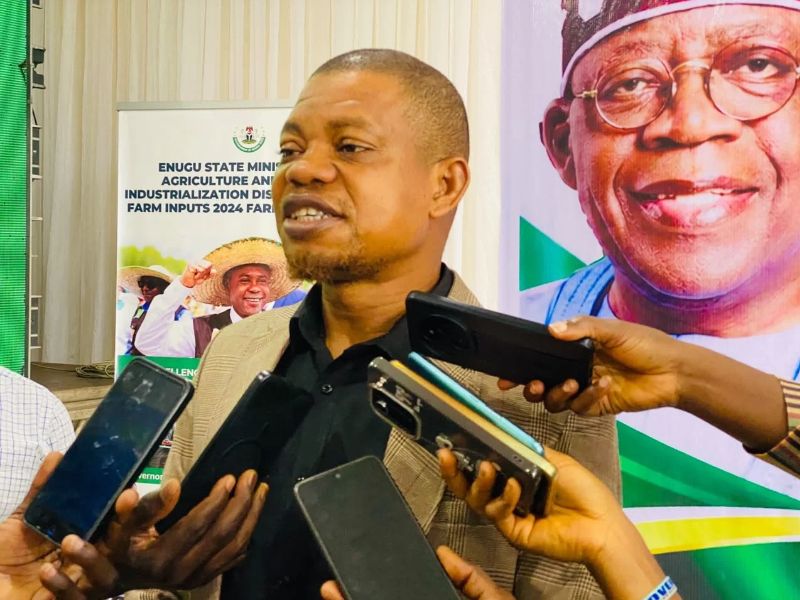
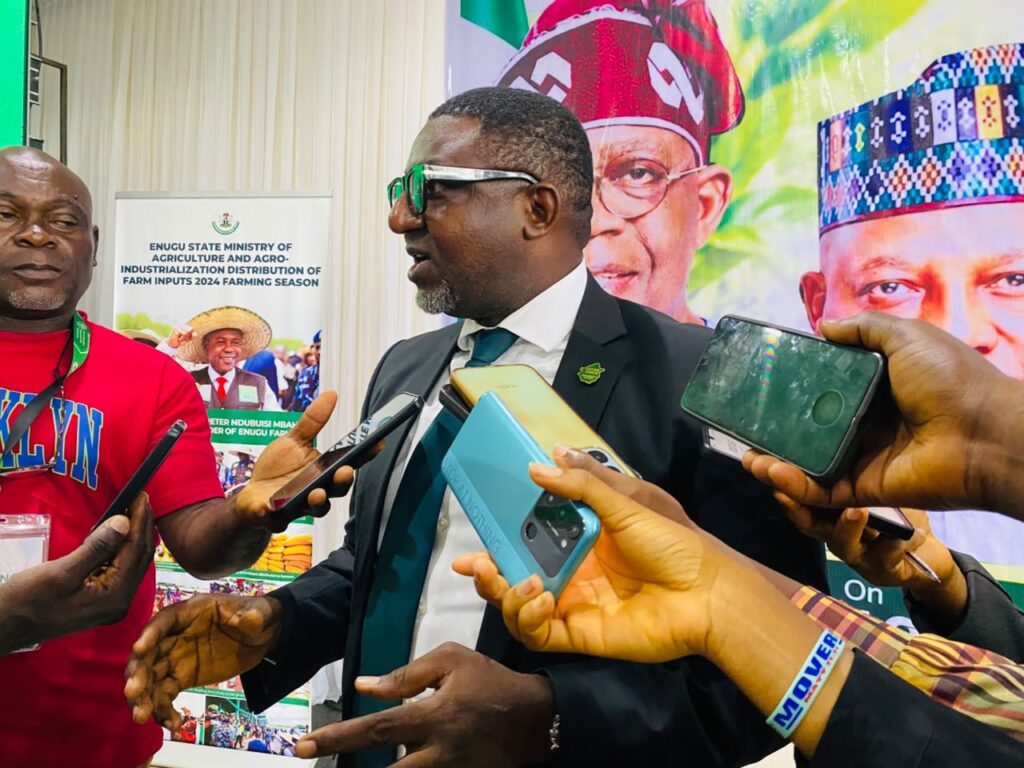
The Commissioner for Agriculture and Agro-Industrialisation, Dr Patrick Ubru, disclosed this on Monday during the South-East Regional Consultation. The consultation on the National Food and Nutrition Crisis Preparedness Plan at the Presidential Hotel, Enugu. He said the initiatives would improve farmers’ access to information, modern farming techniques and new economic opportunities.
Ubru explained that Governor Peter Mbah’s administration was decentralising agricultural development across the state’s 260 wards. Under the strategy, communities would produce crops and other agricultural products based on their comparative advantages. This will enable them to meet local needs and support other areas during emergencies.
The commissioner said the approach would strengthen food security by reducing dependence on supplies from distant communities. He added that the regional consultation was timely. This is beacuse climate-related emergencies, pandemics and other unexpected events could disrupt food production and threaten nutrition.
He commended President Bola Tinubu and the Federal Government for initiating regional consultations. To improve preparedness and establish coordinated responses to food and nutrition emergencies across the country.
Enugu to Launch MyFarmMySwag AI Agriculture App
Ubru announced that the state would launch the MyFarmMySwag agricultural application. An AI-powered platform designed to improve farmers’ access to technical assistance, agricultural information and extension services.
He said Governor Mbah had tested and approved the application, which was expected to launch within days after the announcement. The government developed the platform to help farmers obtain timely answers to agricultural questions and improve their production methods.
According to the commissioner, farmers would be able to register, update their records, submit requests and ask farming-related questions using their mobile phones. The artificial intelligence system would provide responses, helping farmers access guidance without relying solely on physical visits from extension officers.
The initiative aligns with Enugu’s wider push to use technology to improve public services and economic productivity. The government has also invested in digital learning. Through its Smart Green Schools programme, which seeks to equip young people with skills for a changing economy. Read more about Mbah’s Education Investment and Enugu’s Development Agenda.
The commissioner added that the state had established a digital farmers’ registry. This is covering all 17 local government areas and 260 wards. The database contains 84,000 registered farmers, with women accounting for more than half of those registered.
He explained that the registry would help the government identify farmers, monitor agricultural activities and direct support to eligible beneficiaries. The state is also mapping farmlands through the Enugu Geographical Information System (ENGIS) to improve land records and agricultural planning.
Ubru said digital verification during the distribution of farm inputs would strengthen accountability. It will reduce the risk of agricultural support reaching unintended recipients. The measures are expected to improve the targeting of government interventions. Also provide a clearer picture of farming activities across the state.
Government Expands Greenhouse Farming Across 260 Wards
The commissioner disclosed that Enugu had established about 400 greenhouses across the state, while work was ongoing on a 2,000-greenhouse pilot project designed to support agricultural production and farmer training.
He said the initiative was expected to generate at least 10,000 jobs for young people and other residents through greenhouse construction, cultivation, manufacturing, processing, storage, distribution, marketing and related services.
According to Ubru, greenhouse farming would create employment beyond crop production by opening opportunities across the agricultural value chain. The approach would also help strengthen local food supplies and expand participation in modern farming.
He disclosed that training programmes were underway and that 15 greenhouses had already been handed over to corporate operators, with production activities ongoing.
The government is also encouraging the local fabrication of greenhouse facilities to reduce costs, develop technical expertise and create additional employment opportunities for young people.
The initiative complements other efforts to diversify Enugu’s economy and attract investment across productive sectors. The administration has consistently identified agriculture, infrastructure and human capital development as important drivers of its long-term economic ambitions. Read about NACCIMA’s Support for Mbah’s Economic Development Agenda.
Enugu Opens Climate-Smart Agriculture Training to Youths
Ubru urged young people between the ages of 18 and 35 to register for the ongoing climate-smart agriculture training programme through www.enugugreenhousefoster.com.
He said the programme would equip participants with the technical knowledge and practical skills needed to work in modern agriculture. The training is also expected to help young people access employment and business opportunities emerging from the state’s greenhouse initiative.
Climate-smart agriculture promotes farming practices that improve productivity while helping farmers manage climate-related risks. The approach can support more resilient food production when farmers receive appropriate training, technology and access to agricultural inputs.
Enugu’s plans also reflect a broader effort to strengthen community-level development. Through its Community and Social Development Agency, the state has supported projects identified by local communities to address pressing development needs. Read more about CSDA’s Community Development Activities in Enugu.
The commissioner said the government was committed to ensuring that agricultural development created opportunities for young people while improving food availability across the state.
Seed-Testing Laboratory to Improve Crop Production
The commissioner also announced that the state’s seed-testing laboratory would help ensure that farmers received certified, high-quality seeds.
He said the facility would help reduce the risks associated with poor-quality seedlings and improve the chances of successful harvests. Access to reliable seeds remains important for farmers seeking to increase yields, reduce losses and maintain consistent production.
The government’s emphasis on seed quality forms part of its wider agricultural development strategy, which combines digital services, greenhouse production, farmer training and improved technical support.
Ubru said these measures would help farmers make better production decisions and improve the efficiency of agricultural interventions across Enugu State.
Federal Government Seeks Stronger Food Crisis Preparedness
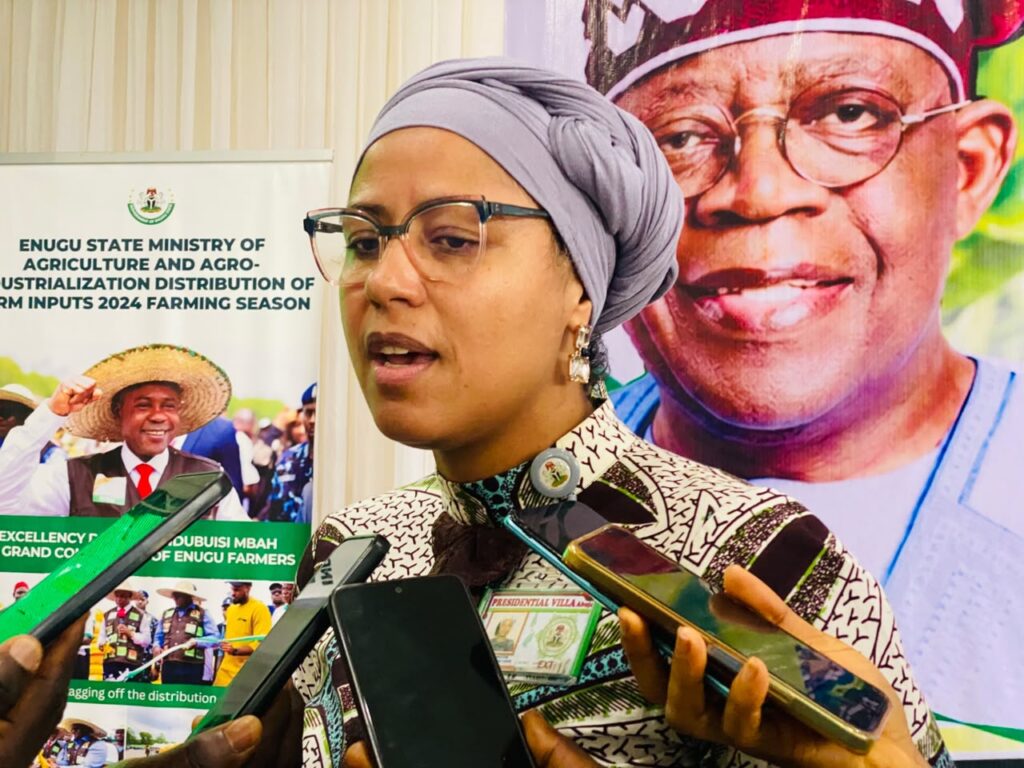
Also speaking at the consultation, the Secretary of the Presidential Food Systems Coordinating Unit, Marion Moon, said the meeting aimed to strengthen Nigeria’s capacity to anticipate, prevent and respond to crises affecting food production and nutrition.
She explained that the consultation brought together stakeholders to examine ways to improve preparedness, reinforce food systems and coordinate responses to emergencies that could threaten food availability across the South-East.
Moon identified climate change and other humanitarian factors as major contributors to food insecurity. She stressed that federal and state governments needed to coordinate their efforts to protect food production and ensure communities could respond effectively to disruptions.
She also disclosed that the Federal Ministry of Livestock was working to re-establish ranches to provide livestock farmers with suitable locations to raise their animals.
The secretary further emphasised the need to educate farmers on seed quality, appropriate seedlings, soil preparation and improved farming practices. According to her, these measures would help boost productivity while promoting food safety.
Moon commended state governments for strengthening agricultural extension services, technical institutions and other systems that provide farmers with the knowledge and expertise required to improve production.
She added that increased budgetary allocations to agriculture reflected growing commitment from state governments, while federal interventions were designed to complement their efforts.
Farmers and Industry Stakeholders Call for Support
The Managing Director and Chief Executive of Ugwunamba Farms, Friday Sani Nnaji, thanked the Enugu State Government for its investments in agriculture.
He particularly praised the government’s efforts to improve security, saying farmers could access their farms with greater confidence when they did not fear attacks or other security threats.
Security remains an important consideration for agricultural development because farmers need safe access to farmland, markets and transportation routes. Improved security can also encourage investment in processing, storage and other activities that support the agricultural value chain.
During the goodwill messages, Mrs Ifeoma Onyeator of the Manufacturers Association of Nigeria raised concerns about security challenges and the activities of non-state actors who extort money from people.
Her remarks highlighted the need for stronger coordination between governments, security agencies, farmers and other stakeholders to protect agricultural activities and support businesses.
The Commissioner for Agriculture and Food Security in Imo State, Longers Anyanwu, who was represented at the event, said agriculture in Imo had undergone digitalisation and mechanisation.
His remarks underscored the importance of technology and modern equipment in improving agricultural productivity across the South-East. Collaboration between states could also help strengthen regional food supplies and improve responses to emergencies that affect multiple communities.
The consultation ended with renewed calls for coordinated action to address food insecurity, improve agricultural preparedness and support farmers across the region.
With the planned launch of MyFarmMySwag, the expansion of greenhouse farming and the proposed creation of at least 10,000 jobs, Enugu State is seeking to combine technology, youth employment and modern agricultural practices to strengthen food production.
The impact of these initiatives will depend on effective implementation, sustained investment and farmers’ access to the training, inputs and support needed to increase production across the state’s 260 wards.