
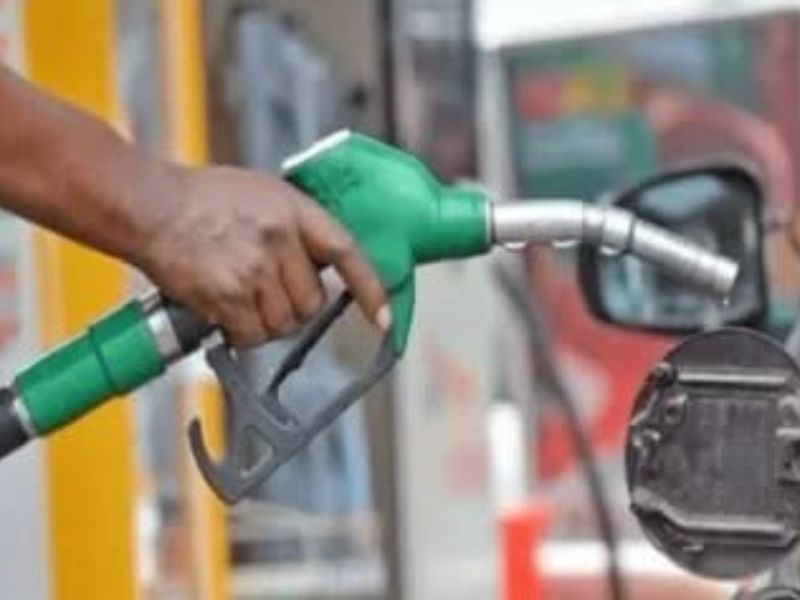
Petrol prices have increased in Abuja after Dangote Petroleum Refinery raised its gantry rate by ₦85 per litre.
The development has pushed pump prices higher across parts of the Federal Capital Territory. Some filling stations now sell petrol for as much as ₦1,430 per litre.
The latest petrol price rises in Abuja have increased concerns among motorists and other consumers. Residents now face another financial burden as transportation and household costs continue to climb.
Dangote Refinery reportedly increased its gantry price from ₦1,265 to ₦1,350 per litre. The adjustment comes amid a rise in global crude oil prices.
Brent crude, the benchmark cited for Nigeria’s oil market, was trading around $107.92 per barrel before rising to about $108.21.
The higher crude price has added pressure to downstream operators. Consequently, some retailers have started adjusting their pump prices.
Dangote gantry price increase pushes petrol costs higher
The latest increase from Dangote Refinery has affected the price structure for petrol distributors and filling stations.
The refinery’s new gantry rate now stands at ₦1,350 per litre. That figure represents an ₦85 increase from the previous ₦1,265 rate.
Retailers then add their operating costs before selling the product to motorists. Those costs can include transportation, logistics and other expenses.
As a result, filling stations have started reviewing their pump prices across Abuja.
Some outlets that previously sold petrol for ₦1,350 now charge ₦1,400 per litre. Others have moved further upward to ₦1,430.
The development mirrors the wider pressure facing Nigeria’s downstream petroleum sector. Consumers remain particularly sensitive to every increase because petrol affects transportation and business costs.
The situation also comes as the Nigerian energy sector continues to attract major investments and policy attention.
NNPC Launches First Smart Self-Service Filling Station in Abuja
Motorists face fresh financial pressure
For motorists, the increase means more money will go into fueling vehicles.
People who depend on private cars for daily movement may now spend significantly more on petrol. Commercial transport operators may also face higher operating expenses.
That pressure could eventually affect transport fares if the increase continues.
Higher transportation costs can also affect the prices of food and other essential goods. Traders often factor logistics expenses into the final prices consumers pay.
The latest development therefore extends beyond filling stations. It could affect households, businesses and workers who depend on daily transportation.
A similar concern has continued to dominate conversations about Nigeria’s economic conditions. Nigerians are already dealing with high living costs across several areas.
Remi Tinubu Urges Nigerians to Re-elect Her Husband
Brent crude rises above $108 per barrel
The increase in global crude oil prices has added another layer to the situation.
Brent crude reportedly moved from about $107.92 to $108.21 per barrel. Changes in international crude prices can affect petroleum market expectations.
Nigeria remains heavily connected to developments in the global oil market. Therefore, movements in crude prices can influence decisions across the petroleum value chain.
The latest rise has also intensified concerns among downstream operators. They must balance supply costs with the purchasing power of consumers.
If crude prices remain elevated, petrol prices could face further pressure. However, the final pump price will depend on several factors across the supply chain.
The development has already generated strong reactions among Nigerians on social media.
RMAFC Seeks Chinese Investment to Boost Nigeria’s Oil and Gas Revenue
Abuja residents react to petrol price increase
The latest pump price adjustment has sparked frustration among consumers.
Some Nigerians questioned why petrol prices continue to rise despite Nigeria being a major oil-producing country. Others expressed concern about the impact on their monthly income.
One commenter said the situation had become difficult for ordinary Nigerians. Another complained that people could soon spend a large portion of their salaries on fuel and transportation.
Some reactions also criticised the lack of public protests against repeated petrol price increases. One commenter suggested that Nigerians could soon see petrol approach ₦2,000 per litre if the trend continues.
Other residents simply expressed frustration about the direction of the economy.
One social media user wrote that the situation had left him shocked. He said he could not speak freely about his concerns and joked about managing through the difficult period.
Another commenter called for greater pressure on the Federal Government over the rising cost of living.
These reactions show how strongly petrol prices affect public sentiment. For many Nigerians, any fuel increase quickly translates into higher daily expenses.
Adebayo’s Big 2027 Pledge on Solar Power for Nigerian Homes
Fuel increase could affect transportation costs
Transportation remains one of the biggest areas likely to feel the impact.
Commercial drivers spend heavily on petrol, especially when they operate throughout the day. A higher pump price can therefore increase their daily operating costs.
Drivers may eventually transfer part of those expenses to passengers through higher fares.
That possibility worries workers and students who depend on public transportation. Many households already allocate a significant portion of their income to commuting.
The situation could also affect businesses that rely on vehicles for deliveries. Small businesses may face higher logistics expenses as fuel prices increase.
Those costs could eventually influence the prices of goods and services.
Peter Mbah Unveils 10,000+ Achievements, Targets $30bn Enugu Economy
Households may face higher living costs
The effect of petrol prices does not stop at transportation.
Fuel remains important to several businesses and households that rely on generators. When petrol becomes more expensive, their electricity and operating costs can also increase.
Small businesses may feel the pressure particularly strongly. Many shops, offices and service providers use generators when public electricity supply becomes unreliable.
Higher operating costs can force business owners to review their prices.
Consumers then face higher bills for services and everyday products. This creates another challenge for households already dealing with elevated living expenses.
The development also highlights the importance of affordable and reliable electricity in Nigeria.
NNPC Breaks Silence After Oil Tanker Caught With 2,145kg Cannabis
Nigeria’s energy costs remain a major concern
The latest petrol price rises in Abuja have once again placed energy costs at the centre of public discussion.
Nigerians have repeatedly called for policies that can reduce the pressure on households and businesses. They also want greater stability in petroleum prices.
The Federal Government and industry operators face the challenge of balancing market realities with consumer concerns.
Meanwhile, motorists must continue to adjust to the latest prices at filling stations.
The situation could become more difficult if global crude prices rise further. However, any future movement will depend on crude prices and other factors affecting petrol distribution.
FG Jobs Accessible Without Connections, FCC Commissioner Tells Enugu Youths
Consumers watch for further petrol price changes
For now, petrol prices vary among filling stations in Abuja.
Some outlets reportedly sell the product for around ₦1,400 per litre. Others have already moved to ₦1,430.
The difference means motorists may need to compare prices before buying petrol. However, transportation costs can make travelling to cheaper stations impractical.
Consumers are also watching closely for possible further increases in the coming weeks.
If the current pressure continues, businesses may face higher operating costs. Motorists could also spend more on daily transportation.
ENSSAA Warns Enugu Residents Over Poster Ban, Threatens ₦50m Fine
What the latest petrol increase means for Nigerians
The latest development could have consequences across different parts of the economy.
A higher petrol price can raise transportation expenses for workers, students and businesses. It can also increase logistics costs for traders and manufacturers.
For households that use petrol generators, the impact can become even more significant.
The increase therefore creates concerns beyond Abuja. While the reported prices focus on the Federal Capital Territory, changes in petroleum costs can influence prices in other parts of Nigeria.
Ohuani, Idodo and Oruku Stakeholders Back APC Ahead of Enugu Elections
Nigerians ask: Which way forward?
The reactions from residents reflect a wider question about Nigeria’s economic direction.
Many consumers want an economy where wages can keep pace with essential expenses. They also want stable energy prices and affordable transportation.
The latest fuel increase has made that demand more urgent for many households.
As filling stations adjust their prices, motorists will continue to monitor the market. The biggest concern now is whether the current increase will remain temporary or trigger another round of price adjustments.
Ortom Explains Why He Lent Obi His Vehicle During Benue Visit
For now, the petrol price rises in Abuja have already pushed some filling stations to ₦1,430 per litre.
The increase follows Dangote Refinery’s decision to raise its gantry rate to ₦1,350 per litre. Rising global crude prices have also added pressure to the market.
Tension as Suspected Thugs Prevent Peter Obi’s Convoy From Passing in Benue
The development will likely keep transportation, business costs and household spending under pressure. Nigerians will now watch closely for any further changes in petrol prices.
FIFA, CAF Delay Decision on NFF Crisis, Plan Visit to Nigeria
South Africa Extradites Six Nigerians to US Over Romance Scam Allegations
Dino Melaye Warns FG Against Atiku Arrest, Threatens Mass Action
Princess Ugwu Begins 2027 Re-election Campaign, Promises People-Centred Engagement
Ronaldo Scores 979th Career Goal as Al Nassr Beat Abha
Family Demands IG Investigation Into Death of Anambra Nursing Student