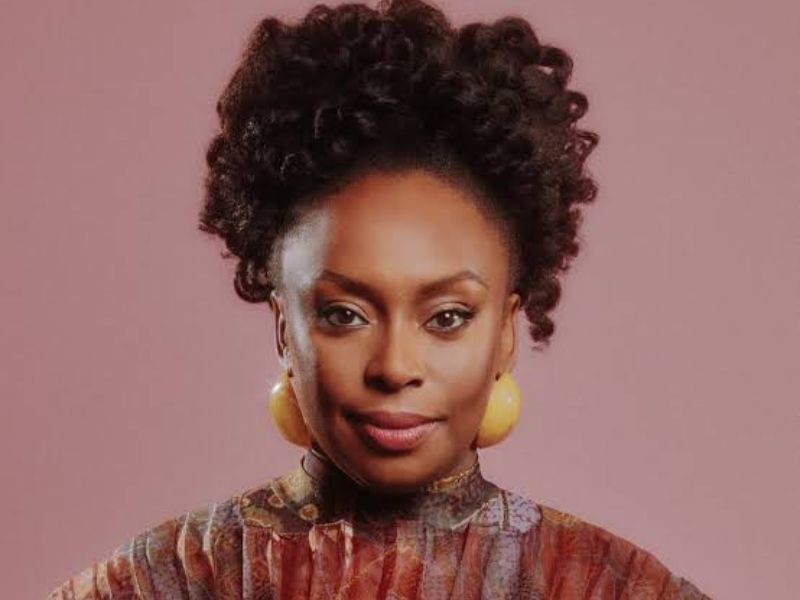
Chimamanda Ngozi Adichie has revealed that the death of her 21-month-old son, Nkanu, changed how she feels about Nigeria.
The award-winning Nigerian author said she no longer wants to return to the country following the devastating loss. She made the disclosure during an interview with The New York Times.
Adichie said Nigeria once held a deeply important place in her life and identity. However, the circumstances surrounding her son’s death have changed that emotional connection.
The author gave the response while discussing whether Nigeria still felt close to her heart. Her answer reflected the lasting impact of her son’s death.
“My feelings toward Nigeria have changed,” Adichie said.
She later made her position even clearer when discussing the possibility of returning to Nigeria.
“I do not want to go back to Nigeria.”
Adichie says her feelings about Nigeria have changed

For years, Nigeria remained closely connected to Adichie’s personal identity and literary career.
She previously described the country as an important part of her journey as a writer. According to her, Nigeria gave her much of what she needed to develop her voice and career.
However, the death of Nkanu has altered that relationship.
Adichie said the tragedy has made Nigeria feel different to her. She also described the entire experience as surreal and difficult to process.
The author continues to struggle with the reality of losing her young son. She said she still finds it difficult to believe that she is discussing his death.
Her comments have now drawn attention to the emotional impact of the tragedy beyond the ongoing medical controversy.
Family Demands IG Investigation Into Death of Anambra Nursing Student
How Nkanu died
Nkanu, one of Adichie’s twin boys, died in December 2025 after a medical emergency at Euracare in Nigeria.
According to Adichie, her son initially developed a fever. Her husband, Ivara Esege, reportedly placed the child on antibiotics.
When his condition did not improve, the couple took him to the hospital for additional medical examinations.
The child later underwent an MRI examination. Doctors sedated him with propofol before the procedure.
Adichie said Nkanu suffered cardiac arrest after the sedation. He died the following day.
She recalled the moment a doctor approached her after the procedure.
According to Adichie, the doctor appeared calm but told her that the child had received too much propofol.
She said the doctor’s words remain permanently etched in her memory.
NNPC Breaks Silence After Oil Tanker Caught With 2,145kg Cannabis
Adichie raises concerns over medical treatment
The circumstances surrounding Nkanu’s death have generated controversy.
Adichie publicly raised allegations of medical negligence concerning the treatment her son received. She has called for improvements in Nigeria’s healthcare system.
The family has also sought answers over what happened during the medical procedure.
A coroner’s inquest is reportedly examining the circumstances surrounding the child’s death. The proceedings have faced delays and disagreements between the family and the hospital.
Euracare has reportedly made allegations against Adichie and her husband. The hospital linked those claims to the decision to cremate their son’s remains.
However, the controversy remains connected to the ongoing proceedings. The available account does not establish a final finding of wrongdoing against any party.
ENSSAA Warns Enugu Residents Over Poster Ban, Threatens ₦50m Fine
Family seeks answers after Nkanu’s death
Adichie and her husband have not filed a lawsuit against the hospital, according to the report.
Instead, they have called for improvements within Nigeria’s healthcare system. The family also continues to seek clarity about the events that preceded Nkanu’s death.
The tragedy has placed renewed attention on medical care and accountability.
For Adichie, however, the issue goes beyond institutional questions. It has also changed her personal relationship with Nigeria.
Her comments suggest that the country now carries painful memories connected to the death of her son.
FG Jobs Accessible Without Connections, FCC Commissioner Tells Enugu Youths
Her children could influence a return to Nigeria
Despite her decision, Adichie acknowledged that her children could influence her future choices.
She said her daughter still considers Nigeria her “happy place.”
That difference appears significant for the author. While Adichie now associates Nigeria with profound personal pain, her daughter maintains a positive emotional connection to the country.
The author also recalled how important Nigeria was before Nkanu’s death.
She said the country represented a major part of her life and writing. Nigeria provided the experiences and foundation that helped shape her as a writer.
Peter Mbah Unveils 10,000+ Achievements, Targets $30bn Enugu Economy
Adichie says the loss remains difficult to process
Adichie described the experience of losing her son as surreal.
She said she still struggles to accept the reality of what happened. Her comments show how deeply the loss continues to affect her.
The author also described the strange feeling of experiencing grief while feeling detached from it.
“You’re going through something, but you also feel like you’re outside of it.”
The comments provide a glimpse into the emotional burden she continues to carry.
The death occurred months before she publicly discussed the medical concerns surrounding her son’s treatment. Since then, the issue has attracted significant public interest.
Tension as Suspected Thugs Prevent Peter Obi’s Convoy From Passing in Benue
Nkanu’s death changes Adichie’s connection to home
Adichie’s relationship with Nigeria has always featured prominently in discussions about her work.
Her books often explore Nigerian society, identity, family and culture. She has also spoken extensively about the experiences that shaped her as a Nigerian writer.
Yet Chimamanda Adichie son’s death has introduced a deeply personal dimension to her relationship with the country.
The author now associates Nigeria with one of the most painful experiences of her life. That connection has influenced how she views the possibility of returning.
Her statement does not erase her Nigerian identity. Instead, it highlights how grief can change a person’s relationship with a place they once considered home.
RMAFC Seeks Chinese Investment to Boost Nigeria’s Oil and Gas Revenue
Healthcare concerns remain part of the controversy
The case has also brought attention to questions about healthcare delivery in Nigeria.
Adichie has called for improvements to the system following her son’s death. Her concerns have added to wider conversations about medical care, accountability and patient safety.
The ongoing coroner’s proceedings may provide more clarity about the circumstances surrounding Nkanu’s death.
For now, the family continues to live with the loss while the controversy surrounding the medical treatment remains unresolved.
The tragedy has also generated public interest because of Adichie’s international profile. She is one of Nigeria’s most recognised contemporary writers.
South Africa Extradites Six Nigerians to US Over Romance Scam Allegations
Adichie’s statement sparks emotional reactions
The author’s decision to speak openly about her changed feelings toward Nigeria has attracted attention.
Many readers have followed the developments surrounding Nkanu’s death since Adichie first raised concerns about his treatment.
Her latest comments offer more insight into the personal consequences of the tragedy.
The statement also shows that grief can affect a person’s sense of belonging. A place that once represented comfort can become connected to painful memories.
For Adichie, Nigeria once represented home, inspiration and the foundation of her literary journey.
Now, the death of her son has changed that perception.
Ohuani, Idodo and Oruku Stakeholders Back APC Ahead of Enugu Elections
What Adichie said about returning
When asked about returning to Nigeria, Adichie did not suggest that she planned to do so soon.
Instead, she said she did not want to go back. She explained that her children could be the only reason she might consider returning.
Her daughter’s positive feelings about Nigeria could therefore influence that decision in the future.
Still, Adichie made clear that her own feelings have changed significantly.
The author’s statement comes as the family continues to deal with the aftermath of Nkanu’s death and the unresolved questions surrounding his treatment.
Ortom Explains Why He Lent Obi His Vehicle During Benue Visit
The impact of Nkanu’s death
Nkanu’s death has affected Adichie on both personal and emotional levels.
She has spoken about the loss while also raising concerns about the circumstances that preceded it. The ongoing proceedings could eventually provide further answers to the family.
For now, her words show that the tragedy has permanently changed her relationship with Nigeria.
FIFA, CAF Delay Decision on NFF Crisis, Plan Visit to Nigeria
Adichie’s statement also highlights the complex relationship people can have with their home country. Personal experiences can reshape memories, emotions and even the meaning of home.
In her case, the death of her young son has become inseparable from how she now views Nigeria.
Dino Melaye Warns FG Against Atiku Arrest, Threatens Mass Action
The author’s decision not to return also reflects the depth of the pain she continues to experience. She has not hidden the fact that Nkanu’s death remains difficult to comprehend.
Princess Ugwu Begins 2027 Re-election Campaign, Promises People-Centred Engagement
As the coroner’s proceedings continue, attention remains on the circumstances surrounding the child’s death. The family’s concerns and the hospital’s position remain part of the ongoing controversy.
Ronaldo Scores 979th Career Goal as Al Nassr Beat Abha
For Adichie, however, the central issue remains personal grief. The loss of her 21-month-old son has changed how she sees a country that once shaped much of her life and career.
Obafemi Martins Launches Renewed Hope Tournament Ahead of Tinubu’s 2027 Campaign
Chimamanda Adichie son’s death continues to shape the author’s reflections about Nigeria. She has made clear that the tragedy changed her feelings about returning home, while the family continues to seek answers about what happened to Nkanu.