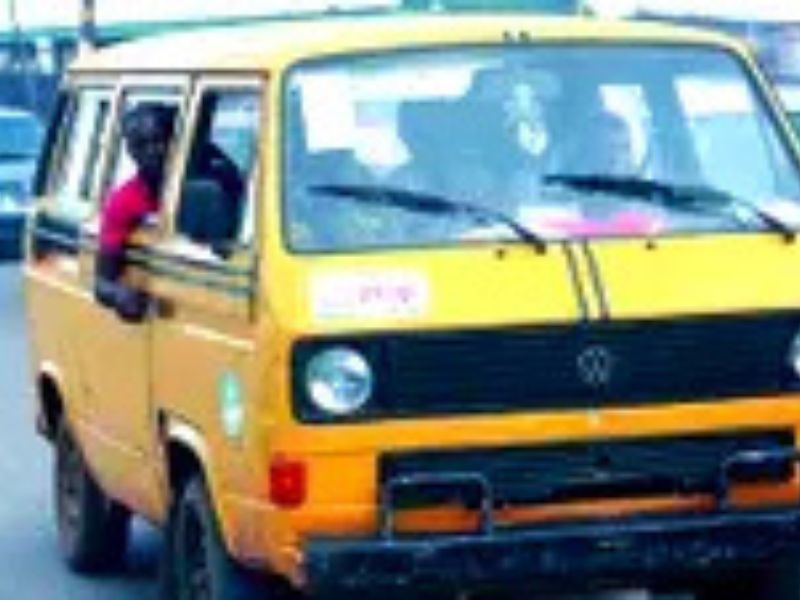
Commuters travelling along the Iyana-Ipaja/Iyana-Iba axis of Lagos have been left stranded after commercial bus drivers stopped operations.
The Lagos bus drivers strike followed allegations of repeated extortion by law enforcement officers and transport regulatory agencies. The affected drivers said the situation has made commercial transport increasingly difficult.
The drivers reportedly accused the Lagos State Traffic Management Authority, LASTMA, the Police and the Federal Road Safety Corps, FRSC, of demanding money from them. They also alleged that members of the National Union of Road Transport Workers, NURTW, popularly called agbero, contribute to the pressure.
The development has disrupted transportation along the busy corridor. Many commuters have reportedly struggled to find alternative means of getting to their destinations.
Bus Drivers Protest Alleged Extortion
The drivers said they took the decision to stop work after repeated complaints about alleged extortion failed to resolve their concerns.
According to the drivers, the alleged demands have increased their daily operating costs. They said they now struggle to make enough money after paying several charges during their trips.
The drivers also complained about alleged vehicle impoundment by LASTMA officials. They claimed officials sometimes seize their buses and keep them for several hours.
Such incidents, they said, cause them to lose an entire day’s income. Drivers who depend on daily earnings said the situation has become increasingly difficult.
The protest comes amid wider concerns over transportation costs and road management in Lagos. NNPC Launches First Smart Self-Service Filling Station in Abuja
Commuters Feel the Impact
The strike has affected commuters who depend heavily on commercial buses along the Iyana-Ipaja and Iyana-Iba corridors.
Many passengers rely on the route to connect different parts of Lagos. The sudden withdrawal of buses has therefore created difficulties for workers, students and other residents.
Commuters caught up in the disruption may have to depend on other forms of transport. However, reduced bus availability can also put pressure on alternative services.
The situation highlights the wider challenges facing Lagos residents who depend on public transportation every day. Rising transport costs have already remained a major concern for many households.
In another transport-related development, Petrol Price Rises in Abuja as Dangote Raises Gantry Rate to ₦1,350 after the Dangote refinery increased its gantry price.
Drivers Accuse Agencies of Repeated Pressure
The commercial drivers alleged that multiple agencies and groups demand payments from them during their daily operations.
They specifically mentioned LASTMA, the Police and FRSC. The drivers also accused NURTW members of subjecting them to additional financial pressure.
However, the allegations remain claims made by the protesting drivers. The supplied report does not provide responses from LASTMA, the Police, FRSC or NURTW to the accusations.
The drivers said the alleged financial burden affects their ability to operate profitably. They argued that daily income becomes insufficient after meeting several expenses.
The development also raises questions about how commercial transport operators manage regulatory requirements across Lagos.
The issue comes at a time when authorities continue to focus on traffic management and road safety. FIFA, CAF Delay Decision on NFF Crisis, Plan Visit to Nigeria
LASTMA Vehicle Impoundment Becomes Major Complaint
One of the major concerns raised by the drivers involves vehicle impoundment.
According to them, LASTMA officials frequently impound commercial buses during operations. The drivers claimed that officials sometimes keep the vehicles for the entire day.
When this happens, drivers said they lose the opportunity to complete their daily trips. Vehicle owners also lose income because the buses remain off the road.
The drivers said repeated incidents have created frustration among operators. They argued that the financial consequences extend beyond the drivers themselves.
The complaints also come as Lagos continues to manage heavy traffic across several major roads. Commercial buses remain an important part of the city’s transport system.
Meanwhile, Lagos has continued to witness political and administrative developments that affect different sectors. Desmond Elliot Apologises to Gbajabiamila, Seeks Return to APC
Why Drivers Chose Industrial Action
The drivers said the strike became necessary after the alleged extortion reached what they considered an unbearable level.
They explained that continuing to operate under the current conditions could leave them with little or no profit.
Rather than continue working under what they described as excessive pressure, they decided to withdraw their services.
The action has now shifted attention to their complaints. It has also placed commuters in a difficult position as transport services remain disrupted.
The drivers want the authorities and relevant transport stakeholders to address their concerns. They also want a system that allows them to operate without repeated financial demands.
Their concerns reflect broader frustrations among commercial transport operators across Nigeria. NNPC Breaks Silence After Oil Tanker Caught With 2,145kg Cannabis
Lagos Transport Sector Faces Fresh Disruption
The Lagos bus drivers strike has once again highlighted the importance of commercial buses to daily movement across the state.
When operators withdraw their services, commuters quickly feel the consequences. Busy routes can experience significant pressure when the number of available buses suddenly drops.
For passengers along the affected corridor, the immediate concern remains how to reach their destinations.
For drivers, however, the protest represents an attempt to draw attention to alleged financial pressures they say threaten their livelihoods.
The situation also adds to ongoing conversations about transportation and economic pressure in Nigeria. SERAP Demands Answers From INEC Over ₦126bn Missing Electoral Funds
Calls for Resolution
A quick resolution could help reduce the pressure on commuters and transport operators along the affected routes.
The drivers have made allegations against several agencies and groups. Those bodies will need to respond to the claims and clarify their positions.
Until then, commuters may continue to face difficulties along the Iyana-Ipaja/Iyana-Iba axis.
The dispute also shows why effective communication between transport operators and regulators remains important. A clear system for addressing complaints could help prevent similar disruptions.
Lagos residents have previously faced transport challenges linked to fuel prices and other operating costs. Remi Tinubu Urges Nigerians to Re-elect Her Husband
What Happens Next?
The next step will depend on discussions between the drivers, transport authorities and other stakeholders.
The drivers have already used the strike to draw attention to their grievances. Their main complaint centres on what they describe as incessant extortion.
They also want authorities to address their concerns about vehicle impoundment and lost income.
For commuters, the priority is the return of regular transport services. The longer the dispute continues, the greater the pressure could become on passengers who depend on the affected routes.
For now, the Lagos bus drivers strike has disrupted movement along the Iyana-Ipaja/Iyana-Iba axis and renewed concerns about the challenges facing commercial transport operators in Lagos.
The allegations made by the drivers remain subject to responses from the agencies and groups they accused.